Perfect Definition
pûrfĭkt
perfected, perfecting, perfects, perfecter, perfectest
adjective
perfecter, perfectest
Lacking nothing essential to the whole; complete of its nature or kind.
American Heritage
Complete in all respects; without defect or omission; sound; flawless.
Webster's New World
In a condition of complete excellence, as in skill or quantity; faultless; most excellent; sometimes used comparatively.
“to create a more perfect union”
Webster's New World
Thoroughly skilled or talented in a certain field or area; proficient.
American Heritage
Completely correct or accurate; exact; precise.
A perfect copy.
Webster's New World
Synonyms:
noun
perfects
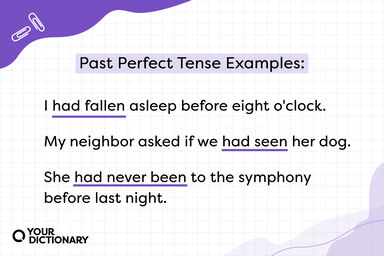
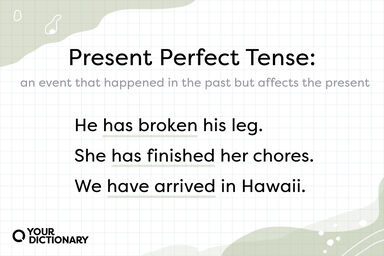
A perfect tense.
Webster's New World
A verb form in a perfect tense.
Webster's New World
verb
perfected, perfecting, perfects
To bring to completion.
Webster's New World
To make perfect or more nearly perfect according to a given standard, as by training.
Webster's New World
(law) To take an action, usually the filing of a document in the correct venue, that secures a legal right.
Perfect an appeal; perfect an interest; perfect a judgment.
Wiktionary
Synonyms:
Other Word Forms of Perfect
Adjective
Origin of Perfect
-
From Middle English perfit, from Old French parfit (modern: parfait), from Latin perfectus, perfect passive participle of perficere (“to finish"), from per- (“through, thorough") + facere (“to do, to make"). Spelling modified 15c. to conform Latin etymology.
From Wiktionary
-
Middle English perfit from Old French parfit from Latin perfectus past participle of perficere to finish per- per- facere to do dhē- in Indo-European roots
From American Heritage Dictionary of the English Language, 5th Edition
-
From perfect (adjective) or from Latin perfectus
From Wiktionary



Find Similar Words
Find similar words to perfect using the buttons below.