adjective worse worse (wûrs),
worst worst (wûrst) - Not achieving an adequate standard; poor: a bad concert.
- Evil; sinful.
- Vulgar or obscene: bad language.
- Informal Disobedient or naughty: bad children.
- Disagreeable, unpleasant, or disturbing: a bad piece of news.
- Unfavorable: bad reviews for the play.
- Not fresh; rotten or spoiled: bad meat.
- Injurious in effect; detrimental: bad habits.
- Not working properly; defective: a bad telephone connection.
- Full of or exhibiting faults or errors: bad grammar.
- Having no validity; void: passed bad checks.
- Being so far behind in repayment as to be considered a loss: bad loans.
- Severe; intense: a bad cold.
a. Being in poor health or in pain: I feel bad today.
b. Being in poor condition; diseased: bad lungs.
- Sorry; regretful: She feels bad about how she treated you.
- bad·der, bad·dest Slang Very good; great.
noun Something that is below standard or expectations, as of ethics or decency: weighing the good against the bad.
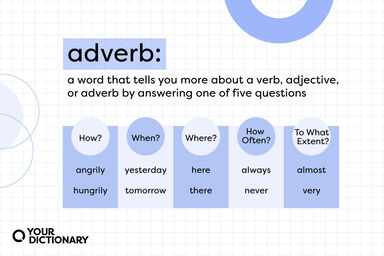
adverb Usage Problem Badly.
Origin:
Origin: Middle English badde
.
Related Forms:
Usage Note: Bad is often used as an adverb in sentences such as
The house was shaken up pretty bad or
We need water bad. This usage is common in informal speech but is widely regarded as unacceptable in formal writing. In an earlier survey, the sentence
His tooth ached so bad he could not sleep was unacceptable to 92 percent of the Usage Panel. • The use of
badly with
want was once considered incorrect but is now entirely acceptable:
We wanted badly to go to the beach. • The adverb
badly is often used after verbs such as
feel, as in
I felt badly about the whole affair. This usage bears analogy to the use of other adverbs with
feel, such as
strongly in
We feel strongly about this issue. Some people prefer to maintain a distinction between
feel badly and
feel bad, restricting the former to emotional distress and using the latter to cover physical ailments; however, this distinction is not universally observed, so
feel badly should be used in a context that makes its meaning clear. •
Badly is used in some regions to mean “unwell,” as in
He was looking badly after the accident. Poorly is also used in this way. In an earlier survey, however, the usage was found unacceptable in formal writing by 75 percent of the Usage Panel.
Our Living Language Most people might think that the slang usage of
bad to mean its opposite, “excellent,” is a recent innovation of Black English. While it is of Black English origin, this usage has been recorded for over a century; the first known example dates from 1897. Even earlier, beginning in the 1850s, the word appears in the sense “formidable, very tough,” as applied to persons. Whether or not the two usages are related, they both illustrate a favorite creative device of informal and slang language—using a word to mean the opposite of what it “really” means. This is by no means uncommon; people use words sarcastically to mean the opposite of their actual meanings on a daily basis. What is more unusual is for such a usage to be generally accepted within a larger community. Perhaps when the concepts are as basic as “good” and “bad” this general acceptance is made easier. A similar instance is the word
uptight, which in the 1960s enjoyed usage in the sense “excellent” alongside its now-current, negative meaning of “stiff.”