common Hear it!

common Definition

com·mon (kämən)

adjective

  1. belonging equally to, or shared by, two or more or by all the common interests of a group
  2. belonging or relating to the community at large; public common carriers
  3. widely existing; general; prevalent common knowledge
  4. widely but unfavorably known a common criminal
    1. met with or occurring frequently; familiar; usual a common sight
    2. basic; simple; rudimentary common courtesy
  5. not of the upper classes; of the masses the common man
  6. having no rank a common soldier
  7. below ordinary; inferior common ware
  8. not refined; vulgar; low; coarse
  9. Anat. formed of or dividing into branches
  10. Gram.
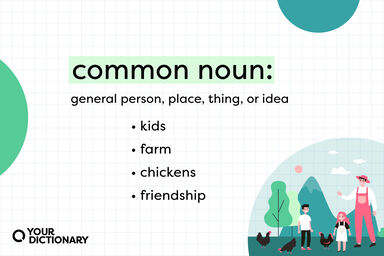
    1. designating a noun that refers to any of a group or class, as book, apple, street
    2. designating gender that can be either masculine or feminine the word child is of common gender
  11. Math. belonging equally to two or more quantities a common denominator

Etymology: ME commun < OFr comun < L communis (OL comoinis), shared by all or many < IE *kom-moini-, common (< *kom, com- + *moini-, achievement < base *mei-, to exchange, barter) > OE gemæne, public, general, Ger gemein: see mean

noun

  1. ☆ land owned or used by all the inhabitants of a place; tract of open public land, esp. as a park in a city or town
  2. Eccles.
    1. the office or service suitable for any of a class of festivals
    2. the ordinary of the Mass
  3. Law the right that a person has, in common with the owner or others, in the land or waters of another

common Related Forms

com·mon·ness noun

common Idioms

in common

equally with, or shared by, another or all concerned

common Synonyms

common

modif.

  1. Commonplace

    ordinary, everyday, familiar, usual, general, universal, natural, normal, accepted, characteristic, customary, prevalent, current, prevailing, typical, conventional, routine, prosaic, trite, banal, hackneyed, overused, stock, stale, worn thin, worn-out, homely, colloquial, nonliterary, vernacular, vulgar, popular, of the folk, of the masses, plebeian, humble, lowly, workaday, provincial, unsophisticated, average, passable, undistinguished, informal, conformable, probable, basic, simple, unvaried, trivial, oft-repeated, monotonous, tedious, wearisome, casual, unassuming, bourgeois, Philistine, uneducated, artless, unrefined, untutored, plain, homespun, unadorned, uncultured, slangy, platitudinous, truistic, obvious, quotidian, orthodox, traditional, standard, mediocre, second-rate, insipid, stereotyped, patent, moderate, middling, abiding, indifferent, pedestrian, tolerable, innocuous, unremarkable, nondescript, mere, so-so, not too bad, run-of-the-mill*, humdrum*, garden variety*, household*, warmed-over*, fair-to-middling*, low-level*, nothing to write home about*, no great shakes*, comme ci, comme ca* (French), a dime a dozen*; see also colloquial, conventional 1, dull 4, fair 2, popular 1, 3, traditional 2.

    Antonyms unusual, unnatural, unique*, extraordinary. *

  2. Of frequent occurrence

    customary, constant, usual; see frequent, habitual 1, regular 3.

  3. Generally known

    general, prevalent, well-known; see familiar 1, traditional 2.

  4. Low

    cheap, inferior, mean, vulgar; see poor 2, subordinate, vulgar 1.

  5. Held or enjoyed in common

    shared, joint, mutual, communal, public, community, cooperative, united, belonging equally to, collective, reciprocal, coincident, correspondent, collaborative, consensual, general, socialistic, communistic, in common, commutual; see also cooperative 2, public 2, universal 3.

    Antonyms private*, individual*, personal.

common refers to that which is met with most frequently or is shared by all or most individuals in a group, body, etc., and may imply prevalence, usualness, or, in a depreciatory sense, inferiority or lack of distinction a common belief, a common thief; general implies connection with all or nearly all of a kind, class, or group and stresses extensiveness general unrest among the people; ordinary implies accordance with the regular or customary pattern; stressing commonplaceness and lack of special distinction an ordinary workday; familiar applies to that which is widely known and readily recognized a familiar feeling; popular and, in this connection, vulgar imply widespread currency or acceptance among the general public or the common people popular tastes, Vulgar Latin, with popular also used to indicate favor a popular song; vulgar, however, is rarely used now in this sense without pejorative connotations See also syn. study at mutual.

in common

shared, communal, mutually held, commonly held; see common 5.

common Usage Examples

Preposition: on

  • wetland: Common Sandpiper Actitis hypoleucos 9/15: Common on wetlands.
  • coast: Green Wood Hoopoe Phoeniculus purpureus 9/15: Common on the coast, breed Senegambia Hotel.

Preposition: as

muck: These days you can't use the phrase, but let's face it - she was common as muck.

Adjective modifier

Very: Gastrointestinal tract Very common: nausea, vomiting; common: dryness of the mouth; with suppositories, rectal irritation may occur.

Modifies a noun

  • sense: Nice Little Runner, Selling 4 My Mate Lastly, some common sense is always a good thing.
  • cause: The most common cause of infection is via pig movement.
  • ground: The game itself merely provides a context; common ground where things happen to players.
  • denominator: But alas, I am not quite in tune with the lowest common denominator.
  • theme: Let me just very quickly note some common themes in the two discourses.
  • scoter: Interest dwindled on the sea, where there were just 42 Common Scoter and 30 Sandwich Terns logged passing the Bill.

Used with adjective complement

  • become: Daily or monthly interest is becoming more common on mortgage products.
  • seem: Would you want to join a fleet where this disparaging attitude seems common?

Preposition: along

coast: Western Gray Plantain-eater Crinifer piscator 10/15: Common along the coast.

Modifying Another Word

  • in: Children have to see what they have in common with children with disabilities, not the differences " .
  • fairly: Excellent health using was not significant were fairly common.
  • increasingly: It is increasingly common for funding sources to be made up of several different funders.
  • quite: It is quite common for older female Koi to reach July or August without spawning.

Preposition: in

  • habitat: Redshank Common in all suitable habitats Greenshank 1 or 2 at Cabo de Gata, 1 at Las Norias.
  • woman: Dry eye syndrome is more common in women, possibly due to hormone fluctuations.
  • scrub: Double-spurred Francolin Francolinus bicalcaratus 7/15: Fairly common in open scrub.