Scarce Definition
skârs
scarcer, scarcest
adjective
scarcer, scarcest
Not common; rarely seen.
Webster's New World
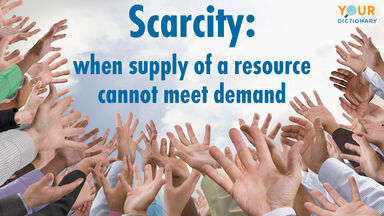
Not plentiful; not sufficient to meet the demand; hard to get.
Webster's New World
Hard to find; absent or rare.
Steel pennies are scarce now except in coin shops.
American Heritage
Scantily supplied (with); deficient (in); used with of.
Wiktionary
Synonyms:
Antonyms:
adverb
Webster's New World
Barely or hardly; scarcely.
American Heritage
idiom
make (oneself) scarce
- To stay away; be absent or elusive.
- To depart, especially quickly or furtively; abscond.
American Heritage
make oneself scarce
- to go or stay away
Webster's New World
Other Word Forms of Scarce
Adjective
Base Form:
scarce
Comparative:
scarcerSuperlative:
scarcestIdioms, Phrasal Verbs Related to Scarce
Origin of Scarce
-
Middle English scars from Old French scars from Vulgar Latin excarpsus narrow, cramped from past participle of excarpere to pluck out alteration of Latin excerpere to pick out excerpt
From American Heritage Dictionary of the English Language, 5th Edition
-
From Northern Old French scars, escars (> French échars), from Late Latin *scarsus, probably originally a participle form of *excarpere (“take out"), from Latin ex- + carpere.
From Wiktionary
Related Articles


Scarce Is Also Mentioned In
Find Similar Words
Find similar words to scarce using the buttons below.