Moral Definition
môrəl, mŏr-
morals
adjective
Relating to, dealing with, or capable of making the distinction between right and wrong in conduct.
Webster's New World
Teaching or exhibiting goodness or correctness of character and behavior.
A moral lesson.
American Heritage
Good or right in conduct or character; sometimes, specif., virtuous in sexual conduct.
Webster's New World
Relating to, serving to teach, or in accordance with the principles of right and wrong.
Webster's New World
Conforming to standards of what is right or just in behavior; virtuous.
A moral life.
American Heritage
Synonyms:
noun
morals
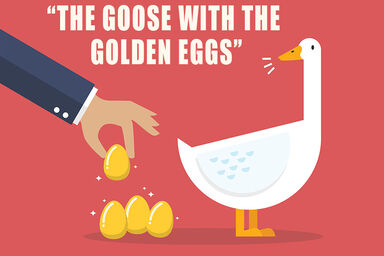
A moral implication or moral lesson taught by a fable, event, etc.
Webster's New World
A statement of this lesson, typically the concluding statement of a fable or story.
Webster's New World
A concisely expressed precept or general truth; a maxim.
Likes to follow the moral “To each, his own.”
American Heritage
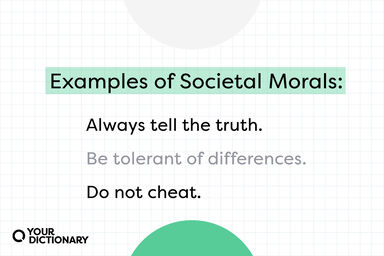
Principles, standards, or habits with respect to right or wrong in conduct; ethics; sometimes, specif., standards of sexual behavior.
Webster's New World
Other Word Forms of Moral
Noun
Singular:
moralPlural:
moralsOrigin of Moral
-
From French moral, from Latin mōrālis (“relating to manners or morals") (first used by Cicero, to translate Ancient Greek ἠθικός (Ä“thikos, “moral")), from mos (“manner, custom").
From Wiktionary
-
Middle English from Old French from Latin mōrālis from mōs mōr- custom mē-1 in Indo-European roots
From American Heritage Dictionary of the English Language, 5th Edition




Find Similar Words
Find similar words to moral using the buttons below.