temper

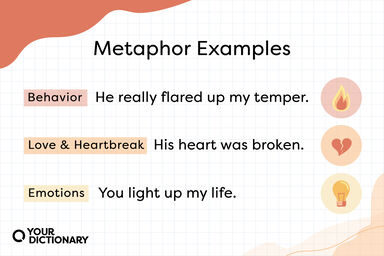
Temper is a state of mind, particularly one that is hostile or angry.

(noun)

An example of temper is what someone loses when they gets excessively mad at even the simplest of problems.

Temper is defined as to moderate or soften something or make it less intense.

(verb)

An example of temper is to add white paint to a dark purple paint to make it a lighter color.

YourDictionary definition and usage example. Copyright © 2013 by LoveToKnow Corp.

See temper in Webster's New World College Dictionary

transitive verb

  1. to make suitable, desirable, or free from excess by mingling with something else; reduce in intensity, esp. by the admixture of some other quality; moderate; assuage; mollify: to temper criticism with reason
    1. to bring to the proper texture, consistency, hardness, etc. by mixing with something or treating in some way: to temper paints with oil, to temper steel by heating and sudden cooling, to temper clay by moistening and kneading
    2. to toughen, as by rigors or trying experiences
  2. Rare to fit; adapt
  3. Archaic to mix in proper proportions
  4. Music to adjust the pitch of (a note) or tune (an instrument) according to some temperament

Origin: ME tempren < OE temprian & OFr temprer, both < L temperare, to observe proper measure, mix, regulate, forbear < tempus (gen. temporis), time, period, orig., a span < IE *tempos, a span < *temp-, to pull < base *ten-, to stretch > thin

intransitive verb

to be or become tempered

noun

  1. the state of being tempered; specif.,
    1. Archaic a properly proportioned mixture
    2. the state of a metal with regard to the degree of hardness and resilience
  2. frame of mind; disposition; mood: in a bad temper
  3. calmness of mind; composure: now only in the phrases and
  4. a tendency to become angry readily: to have a temper
  5. anger; rage: to go into a temper
  6. something used to temper a mixture, etc.
  7. the trend in thought and feeling (of an era, period, etc.); character: the temper of the times, the modern temper
  8. Archaic a middle course; mean
  9. Obsolete character; quality

Related Forms:

See temper in American Heritage Dictionary 4

verb tem·pered, tem·per·ing, tem·pers
verb, transitive
  1. To modify by the addition of a moderating element; moderate: “temper its doctrinaire logic with a little practical wisdom” (Robert H. Jackson). See Synonyms at moderate.
  2. To bring to a desired consistency, texture, hardness, or other physical condition by or as if by blending, admixing, or kneading: temper clay; paints that had been tempered with oil.
  3. To harden or strengthen (metal or glass) by application of heat or by heating and cooling.
  4. To strengthen through experience or hardship; toughen: soldiers who had been tempered by combat.
  5. To adjust finely; attune: a portfolio that is tempered to the investor's needs.
  6. Music To adjust (the pitch of an instrument) to a temperament.
verb, intransitive
To be or become tempered.
noun
  1. A state of mind or emotions; disposition: an even temper. See Synonyms at mood1.
  2. Calmness of mind or emotions; composure: lose one's temper.
  3. a. A tendency to become easily angry or irritable: a quick temper.
    b. An outburst of rage: a fit of temper.
  4. A characteristic general quality; tone: heroes who exemplified the medieval temper; the politicized temper of the 1930s.
  5. a. The condition of being tempered.
    b. The degree of hardness and elasticity of a metal, chiefly steel, achieved by tempering.
  6. A modifying substance or agent added to something else.
  7. Archaic A middle course between extremes; a mean.

Origin:

Origin: Middle English temperen

Origin: , from Old English temprian

Origin: , from Latin temperāre

Origin: , probably from variant of tempus, tempor-, time, season

.

Related Forms:

  • temˌper·a·bilˈi·ty noun
  • temˈper·a·ble adjective
  • temˈper·er noun

Learn more about temper

temper

link/cite print suggestion box