construct Definition
con·struct (kən strukt′; for n. kän′strukt′)
transitive verb
- to build, form, or devise by fitting parts or elements together systematically
- Geom. to draw (a figure) so as to meet the specified requirements
Etymology: < L constructus, pp. of construere < com-, together + struere, to pile up, build: see strew
noun
- something built or put together systematically
- an idea or perception resulting from a synthesis of sense impressions, etc.
- a concept or theory devised to integrate in an orderly way the diverse data on a phenomenon
construct Related Forms
construct Synonyms
construct
v.
construct Usage Examples
Object
- validity: This might provide information about NET's construct validity.
- argument: It also requires them to construct arguments in writing.
- narrative: The data or sources of the past, which it can be argued are already constructed narratives, are taken by historians and re-described.
- model: Importantly, these changes may help construct computer models of the ocean's changes which in turn may help predict future developments.
- bridge: Constructing the bridge would have temporarily changed certain stream variables.
- building: Library: A modern building constructed with full consideration of access needs.
Adjective modifier
- transgenic: But integration of transgenic constructs containing the 35S promoter may mobilize the elements.
- artificial: Artificial constructs are well-known to be structurally unstable ( 7 ).
Adjective complement
adjacent: A new two-storey entrance has been constructed adjacent to the road frontage.
Noun used with modifier
programming: Logic flowcharts can also describe these three programming constructs.
Used with why or when
- which: Then a philosophical theory can be constructed which takes into account these needs.
- that: In reality, the foundation trust is at best a theoretical construct that will prove disastrous in practice.
Present participle complement
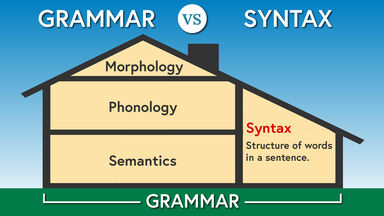
accord: A sentence not constructed according to the syntactical conventions of Standard English is said to be non-standard.
Preposition: in
- situ: They combine hand-crafted objects with those manufactured to her own specifications and more improvisatory elements constructed in situ.
- brick: Constructed in brick with stone floors, it consisted of a wide nave and square west tower with a pyramidal roof.
Preposition: of
- brick: Waveley Road is comprised of small terraced properties constructed of red brick with slate roofing.
- sandstone: The buildings are constructed of red sandstone and form part of a larger coherent group, built in the early years of this century.
- rubble: Running from the east side of the site to the shore of the Loch is a causeway constructed of rubble and large flat slabs.
Preposition: from
timber: The buildings in the fires were a mixture of residential and commercial buildings, many constructed from timber.
Browse dictionary entries near construct
- ‹ construable
- ‹ constringe
- ‹ constrictor
- ‹ constriction
- ‹ constrict
- ‹ constraint-based routing
- ‹ constraint
- ‹ constrained
- ‹ constrain
- ‹ constr