conflict

Conflict means to clash with someone or something.

(verb)

An example of conflict is to disagree with someone over opposite opinions.

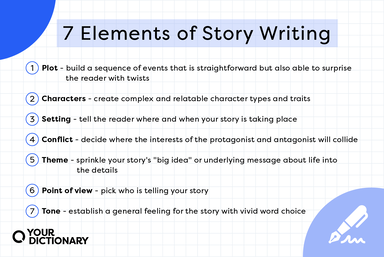
The definition of a conflict is a fight or disagreement.

(noun)

An example of conflict is an argument over parenting styles.

YourDictionary definition and usage example. Copyright © 2013 by LoveToKnow Corp.

See conflict in Webster's New World College Dictionary

intransitive verb

  1. Obsolete to fight; battle; contend
  2. to be antagonistic, incompatible, or contradictory; be in opposition; clash: ideas that conflict

Origin: ME conflicten < L conflictus, pp. of confligere, to strike together < com-, together + fligere, to strike: see inflict

noun

  1. a fight or struggle, esp. a protracted one; war
  2. sharp disagreement or opposition, as of interests or ideas; clash
  3. emotional disturbance resulting from a clash of opposing impulses or from an inability to reconcile impulses with realistic or moral considerations
  4. Rare collision of moving bodies

Related Forms:

See conflict in American Heritage Dictionary 4

noun
  1. A state of open, often prolonged fighting; a battle or war.
  2. A state of disharmony between incompatible or antithetical persons, ideas, or interests; a clash.
  3. Psychology A psychic struggle, often unconscious, resulting from the opposition or simultaneous functioning of mutually exclusive impulses, desires, or tendencies.
  4. Opposition between characters or forces in a work of drama or fiction, especially opposition that motivates or shapes the action of the plot.
intransitive verb (kən-flĭktˈ) con·flict·ed, con·flict·ing, con·flicts
  1. To be in or come into opposition; differ.
  2. Archaic To engage in warfare.

Origin:

Origin: Middle English

Origin: , from Latin cōnflīctus, collision

Origin: , from

Origin: past participle of cōnflīgere, to strike together

Origin: : com-, com-

Origin: + flīgere, to strike

.

Related Forms:

  • con·flicˈtion noun
  • con·flicˈtive adjective
  • con·flicˈtu·al (kən-flĭkˈcho͞o-əl) adjective

See conflict in Ologies

Conflict

See also war.

antagonist

an opponent in any kind of contest or conflict. Also called antipathist.

antipathist

Rare. an antagonist.

antipathy

an attitude of antagonism or aversion.

commination

the act of threatening, especially revenge or punishment.

contumacy

a refusal to obey; defiance.

duelist, duellist

1. a person engaged in a duel.

2. a person skilled at dueling.

feudist

a person who participates in a feud or other conflict.

insurgentism

the state of being an insurgent or rebel; the activities of insurgents or rebels.

Jacquerie

a revolt of peasants against the social classes above them.

monomachy, monomachia

single combat; a duel. —monomachist, n.

neutrality

the state or position of being impartial or not allied with or committed to any party or viewpoint in a conflict, especially a war or armed conflict, —neutral, n., adj.

opponency

1. the state or quality of being an opponent.

2. an act or instance of opposing.

oppugnancy

1. the state or quality of being an antagonist.

2. an act or instance of antagonism. —oppugnant, adj.

pacation

Rare. the act or process of appeasing.

rebeldom

1. rebels collectively or as a group.

2. an area or region held by rebels.

sciamachy

battle with shadows or imaginary enemies.

velitation

a skirmish or other minor conflict.

Learn more about conflict

link/cite print suggestion box