Tense Definition
tĕns
tensed, tenser, tenses, tensest, tensing
adjective
tenser, tensest
Stretched tight; strained; taut.
Webster's New World
In a state of nervous tension or mental strain.
Was very tense before the exam.
American Heritage
Feeling, showing, or causing mental strain; anxious.
Webster's New World
Articulated with the jaw and tongue muscles relatively rigid.
Webster's New World
Synonyms:
verb
tensed, tenses, tensing
To make or become tense.
American Heritage
To make or become tense.
Webster's New World
Antonyms:
noun
tenses
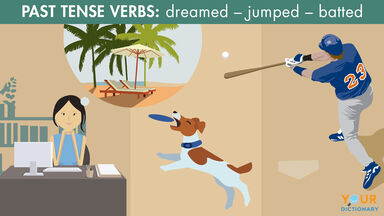
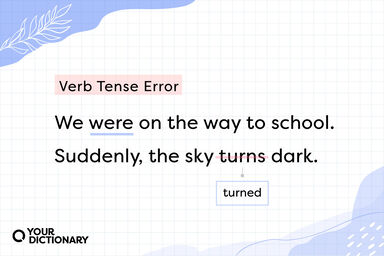
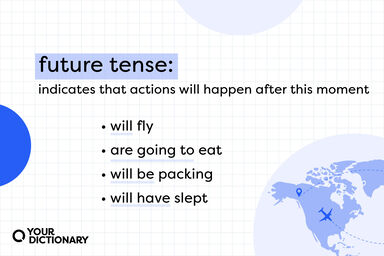
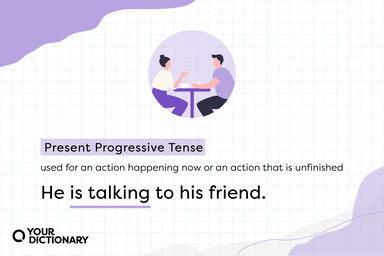
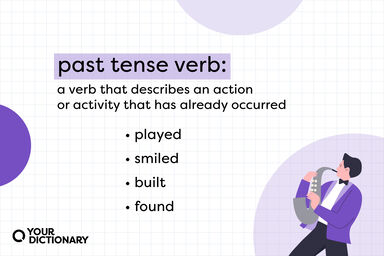
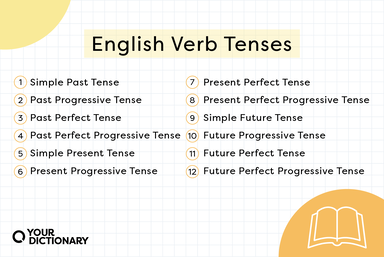
A property of verbs in which the time of the action or state, as well as its continuance or completion, is indicated or expressed.
American Heritage
A characteristic of verbs that indicates the time of the action or state of being that a verb expresses; also, an analytic category based on this characteristic.
Webster's New World
Any of the forms a verb takes to indicate this characteristic.
Webster's New World
A set of such forms for a given time reference.
The present tense of “be”
Webster's New World
Other Word Forms of Tense
Noun
Singular:
tensePlural:
tensesAdjective
Base Form:
tense
Comparative:
tenserSuperlative:
tensestOrigin of Tense
-
Latin tēnsus past participle of tendere to stretch ten- in Indo-European roots
From American Heritage Dictionary of the English Language, 5th Edition
Middle English tens from Old French time from Latin tempus
From American Heritage Dictionary of the English Language, 5th Edition
-
From Old French tens (modern French temps), from Latin tempus.
From Wiktionary
-
From Latin tensus, past participle of tendere (“stretch").
From Wiktionary
Find Similar Words
Find similar words to tense using the buttons below.