old

The definition of old is advanced in age or having been around for awhile.

(adjective)

  1. An example of old is the age of 120.
  2. An example of old is milk that is past its expiration date.

Old is used to mean people advanced in age collectively or days past.

(noun)

  1. An example of old is a group of elderly people in a senior citizens home.
  2. An example of old is a Christmas memory from the 1950's.

YourDictionary definition and usage example. Copyright © 2013 by LoveToKnow Corp.

See old in Webster's New World College Dictionary

adjective older or elder, oldest or eldest

  1. having lived or been in existence for a long time; aged
  2. of, like, or characteristic of aged people; specif., mature in judgment, wise, etc.
  3. of a certain or specified age or duration: a child ten years old
  4. made or produced some time ago; not new
  5. familiar or known from the past; accustomed: up to his old tricks
  6. designating the form of a language in its earliest attested stage: Old English
  7. having been in use for a long time; worn out by age or use; shabby
  8. that was at one time; former: my old teacher
  9. having had long experience or practice: an old hand at this work
  10. belonging to the remote past; having existed long ago; ancient: an old civilization
  11. dating or continuing from some period long before the present; of long standing: an old tradition
  12. designating the earlier or earliest of two or more: the Old World
  13. Informal dear: a term of affection or cordiality: old boy
  14. Informal tiresome, annoying, etc., esp. as a result of repetition or monotony: their incessant chatter has gotten old
  15. Geol. having reached the stage of greatly decreased activity or showing extensive reduction of topographical form: said of streams, mountain ranges, etc.

Origin: ME < OE (Anglian) ald, WS eald, akin to Ger alt < IE base *al-, to grow > L altus, old, alere, to nourish: basic sense “grown”

noun

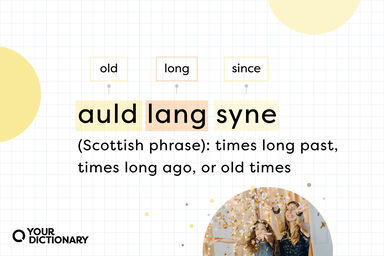
  1. time long past; yore: days of old
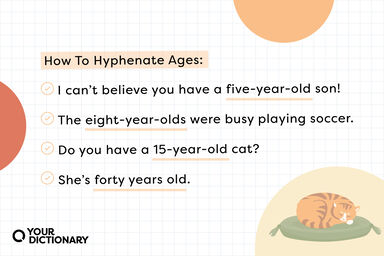
  2. a person of a specified age: used in hyphenated compounds: a six-year-old
  3. something old: with the
  4. old people: often with the

Related Forms:

See old in American Heritage Dictionary 4

adjective old·er, old·est
  1. a. Having lived or existed for a relatively long time; far advanced in years or life.
    b. Relatively advanced in age: Pamela is our oldest child.
  2. Made long ago; in existence for many years: an old book.
  3. Of or relating to a long life or to people who have had long lives: a ripe old age.
  4. Having or exhibiting the physical characteristics of age: a prematurely old face.
  5. Having or exhibiting the wisdom of age; mature: a child who is old for his years.
  6. Having lived or existed for a specified length of time: She was 12 years old.
  7. a. Belonging to a remote or former period in history; ancient: old fossils.
    b. Belonging to or being of an earlier time: her old classmates.
  8. often Old Being the earlier or earliest of two or more related objects, stages, versions, or periods.
  9. Geology
    a. Having become slower in flow and less vigorous in action. Used of a river.
    b. Having become simpler in form and of lower relief. Used of a landform.
  10. Exhibiting the effects of time or long use; worn: an old coat.
  11. Known through long acquaintance; long familiar: an old friend.
  12. Skilled or able through long experience; practiced.
  13. often ol' (ōl)
    a. Used as an intensive: Come back any old time. Don't give me any ol' excuse.
    b. Used to express affection or familiarity: Good ol' Sam.
noun
  1. An individual of a specified age: a five-year-old.
  2. Old people considered as a group. Used with the: caring for the old.
  3. Former times; yore: in days of old.

Origin:

Origin: Middle English

Origin: , from Old English eald; see al-2 in Indo-European roots

.

Related Forms:

  • oldˈness noun
Usage Note: Old is the bluntest of the adjectives most commonly used in referring to advanced or advancing age. It generally suggests at least a degree of age-related infirmity, and for that reason it is often avoided in formal or polite speech. Many prefer elderly as a more neutral and respectful term, but it too can suggest frailty, especially in reference to individuals as opposed to a group or population. And while senior enjoys wide usage as both a noun and adjective in many civic or social contexts, it is often considered unpleasantly euphemistic in a phrase such as the senior couple living next door. • As a comparative form, older would logically seem to indicate greater age than old. Except when a direct comparison is being made, however, the opposite is generally true. The older man in the tweed jacket suggests a somewhat younger or more vigorous man than if one substitutes old or elderly. Where old expresses an absolute, an arrival at old age, older takes a more relative view of aging as a continuum—older, but not yet old. As such, older is more than just a euphemism for the blunter old, offering as it does a more precise term for someone between middle and advanced age. And unlike elderly, older does not particularly suggest frailness or infirmity, making it the natural choice in many situations. See Usage Note at elder1.

Learn more about old

old

link/cite print suggestion box