vent

Vent is something that lets air in and out.

(noun)

An example of vent is the part of your air conditioning system where the cool air blows out.

To vent is to complain about something you are annoyed or angry about in order to relieve some of your anger.

(verb)

An example of vent is when you call your friend and whine to her about how your husband never unloads the dishwasher.

YourDictionary definition and usage example. Copyright © 2013 by LoveToKnow Corp.

See vent in Webster's New World College Dictionary

noun

  1. Rare the action of escaping or passing out, or the means or opportunity to do this; issue; outlet
  2. expression; release: giving vent to emotion
    1. a small hole or opening to permit passage or escape, as of a gas
    2. ☆ a small triangular window or, now esp., an opening on or beneath the dashboard, for letting air into the passenger compartment of a motor vehicle
  3. in early guns, the small hole at the breech through which a spark passes to set off the charge
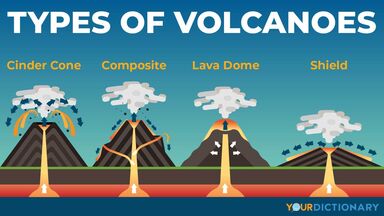
  4. the opening in a volcano from which gas and molten rock erupt
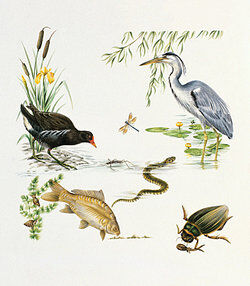
  5. Zool. the excretory opening in animals; esp., the external opening of the cloaca in birds, reptiles, amphibians, and fishes

Origin: ME venten < OFr venter, to blow (or aphetic < OFr esventer, to expose to the air, let out < es-, out + venter) < VL *ventare < L ventus, wind

transitive verb

  1. to make a vent in or provide a vent for
  2. to allow (steam, gas, etc.) to escape through an opening
  3. to give release or expression to
  4. to relieve or unburden by giving vent to feelings: to vent oneself in curses

noun

a vertical slit in a garment, esp. one put in the back or sides of a coat

Origin: ME vent, altered (infl. by vent) < fente < OFr < VL *findita, fem. pp., for L fissus, pp. of findere, to split: see fission

transitive verb

to make a vent or vents in

See vent in American Heritage Dictionary 4

noun
  1. A means of escape or release from confinement; an outlet: give vent to one's anger.
  2. An opening permitting the escape of fumes, a liquid, a gas, or steam.
  3. The small hole at the breech of a gun through which the charge is ignited.
  4. Zoology The excretory opening of the digestive tract in animals such as birds, reptiles, amphibians, and fish.
  5. Geology
    a. The opening of a volcano in the earth's crust.
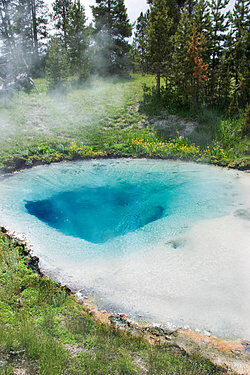
    b. An opening on the ocean floor that emits hot water and dissolved minerals.
verb vent·ed, vent·ing, vents
verb, transitive
  1. To express (one's thoughts or feelings, for example), especially forcefully.
  2. To release or discharge (steam, for example) through an opening.
  3. To provide with a vent.
verb, intransitive
  1. To vent one's feelings or opinions.
  2. To be released or discharged through an opening.
  3. To rise to the surface of water to breathe. Used of a marine mammal.

Origin:

Origin: Partly from French vent (from Old French)

Origin: and partly alteration of French évent (from Old French esvent, from esventer, to let out air, from Vulgar Latin *exventāre : Latin ex-; see ex- + Latin ventus, wind; see wē- in Indo-European roots)

.

Related Forms:

  • ventˈer noun

noun
A slit in a garment, as in the back seam of a jacket.

Origin:

Origin: Middle English vente

Origin: , alteration (probably influenced by Old French vent, wind)

Origin: of fente

Origin: , from Old French, slit

Origin: , from fendre, to split open

Origin: , from Latin findere; see fission

.

Learn more about vent

vent

link/cite print suggestion box