strong

The definition of strong refers to someone or something who can exert a lot of power or force, or is the ability to do a task very well

(adjective)

  1. An example of strong is someone who can lift 200 pounds.
  2. An example of strong is a wind that knocks over trees.
  3. An example of strong is someone who can run fast.

YourDictionary definition and usage example. Copyright © 2013 by LoveToKnow Corp.

See strong in Webster's New World College Dictionary

adjective

    1. physically powerful; having great muscular strength; robust
    2. in a healthy and sound condition; hale; hearty
    1. performing well or in a normal manner: a strong heart
    2. not easily affected or upset: a strong stomach
  1. morally powerful; having strength of character or will
    1. intellectually powerful; able to think vigorously and clearly
    2. having special competence or ability (in a specified area): to be strong in botany
  2. governing or leading with firm authority; authoritarian
    1. powerfully made, built, or constituted; tough; firm; durable: a strong wall, a strong fabric
    2. holding firmly; tenacious: a strong grip
    3. binding tightly: strong glue
    1. hard to capture; able to resist and endure attack: a strong fort
    2. not easily defeated; formidable: a strong opponent
    3. not easily dislodged; deep-rooted: strong prejudice
  3. having many resources; powerful in wealth, numbers, supplies, etc.: a strong nation
  4. of a specified number; reaching a certain degree in number or strength: a task force 6,000 strong
  5. having a powerful effect; drastic: strong measures
  6. having a large amount of its essential quality; not weak or diluted: strong coffee
  7. affecting the senses powerfully; intense: a strong light, strong smell, etc.
  8. having an offensive taste or smell; rank: strong butter
  9. firm and loud: a strong voice
  10. intense in degree or quality; not mild; specif.,
    1. ardent; passionate; warm: strong affection
    2. forceful; persuasive; cogent: strong reasons
    3. felt deeply; pronounced; decided: a strong opinion
    4. vigorously active; zealous: a strong socialist
    5. vigorous, forthright, and unambiguous, often offensively so: strong language
    6. clear; distinct; marked: a strong resemblance
    7. receiving or showing emphasis or stress: a strong accent or beat
  11. moving rapidly and with force: a strong wind
  12. having high powers of magnification: strong lenses
  13. tending toward higher prices: said of a stock or stock market
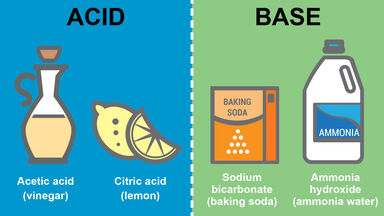
  14. Chem. having a high ion concentration, as certain acids and bases
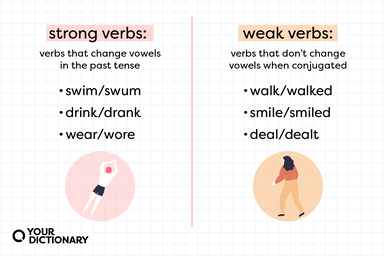
  15. Gram. in English and other Germanic languages, designating or of verbs that express variation in tense chiefly by internal change of a syllabic vowel rather than by the addition of inflectional endings; irregular (Ex.: swim, swam, swum; drive, drove, driven)

Origin: ME < OE strang, akin to ON strangr, strong, severe, Ger streng, severe < IE base *strenk-, *streng-, tense, taut > string, Gr strangos, twisted, L stringere, to draw taut

adverb

in a strong manner; greatly; severely; with force

Related Forms:

See strong in American Heritage Dictionary 4

adjective strong·er, strong·est
  1. a. Physically powerful; capable of exerting great physical force.
    b. Marked by great physical power: a strong blow to the head.
  2. In good or sound health; robust: a strong constitution; a strong heart.
  3. Economically or financially sound or thriving: a strong economy.
  4. Having force of character, will, morality, or intelligence: a strong personality.
  5. Having or showing ability or achievement in a specified field: students who are strong in chemistry.
  6. Capable of the effective exercise of authority: a strong leader.
  7. a. Capable of withstanding force or wear; solid, tough, or firm: a strong building; a strong fabric.
    b. Having great binding strength: a strong adhesive.
  8. Not easily captured or defeated: a strong flank; a strong defense.
  9. Not easily upset; resistant to harmful or unpleasant influences: strong nerves; a strong stomach.
  10. Having force or rapidity of motion: a strong current.
  11. a. Persuasive, effective, and cogent: a strong argument.
    b. Forceful and pointed; emphatic: a strong statement.
    c. Forthright and explicit, often offensively so: strong language.
  12. Extreme; drastic: had to resort to strong measures.
  13. Having force of conviction or feeling; uncompromising: strong faith; a strong supporter.
  14. Intense in degree or quality: a strong emotion; strong motivation.
  15. a. Having an intense or offensive effect on the senses: strong light; strong vinegar; strong cologne.
    b. Clear and loud: a strong voice.
    c. Readily noticeable; remarkable: a strong resemblance; a strong contrast.
    d. Readily detected or received: a strong radio signal.
  16. a. Having a high concentration of an essential or active ingredient: mixed a strong solution of bleach and water.
    b. Containing a considerable percentage of alcohol: strong punch.
    c. Powerfully effective: a strong painkiller.
  17. Characterized by a high degree of saturation.
  18. Having a specified number of units or members: a military force 100,000 strong.
  19. Marked by steady or rising prices: a strong market.
  20. Linguistics
    a. Of or relating to those verbs in Germanic languages that form their past tense by a change in stem vowel, and their past participles by a change in stem vowel and sometimes by adding the suffix -(e)n, as sing, sang, sung or tear, tore, torn.
    b. Of or relating to the inflection of nouns or adjectives in Germanic languages with endings that historically did not contain a suffix with an n.
  21. 21. Stressed or accented in pronunciation or poetic meter. Used of a word or syllable.
adverb
In a strong, powerful, or vigorous manner; forcefully: a salesperson who comes on too strong.

Origin:

Origin: Middle English

Origin: , from Old English strang

.

Related Forms:

  • strongˈish adjective
  • strongˈly adverb

Learn more about strong

link/cite print suggestion box