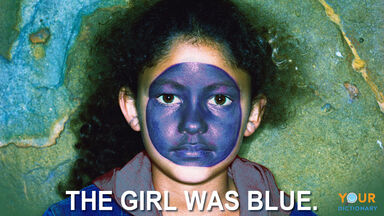
passage

Passage is moving through something, being granted permission to move through something or an enclosed area that you must move through to get to somewhere else.

(noun)

  1. An example of passage is when you go on a trip and someone tells you to be safe in your travels.
  2. An example of passage is when a car moves through a restricted area with permission.
  3. An example of passage is when time moves forward.
  4. An example of passage is a corridor or hall in your home leading from one room to another.

YourDictionary definition and usage example. Copyright © 2013 by LoveToKnow Corp.

See passage in Webster's New World College Dictionary

noun

  1. the act of passing; specif.,
    1. movement from one place to another; migration: birds of passage
    2. change or progress from one process or condition to another; transition
    3. the enactment of a law by a legislative body
  2. permission, right, or a chance to pass
  3. a journey, esp. by water; voyage
    1. the accommodations of a passenger, esp. on a ship
    2. the charge for such accommodations
  4. a way or means of passing; specif.,
    1. a road or path
    2. a channel, duct, etc.
    3. a hall or corridor that is an entrance or exit or onto which several rooms open; passageway
  5. that which happens or takes place between persons; interchange, as of blows or words
    1. a short segment of a written work or speech: a Bible passage
    2. a section or detail of a painting, drawing, etc.
  6. Med. a bowel movement
  7. Music a short section of a composition, especially one displaying technical skill

Origin: OFr < passer: see pass & -age

intransitive verb passaged, passaging

to make a passage, or voyage; journey

See passage in American Heritage Dictionary 4

noun
  1. The act or process of passing, especially:
    a. A movement from one place to another, as by going by, through, over, or across; transit or migration.
    b. The process of elapsing: the passage of time.
    c. The process of passing from one condition or stage to another; transition: the passage from childhood to adulthood.
    d. Enactment into law of a legislative measure.
  2. A journey, especially one by air or water: a rough passage on the stormy sea.
  3. The right to travel as a passenger, especially on a ship: book passage; pay for one's passage.
  4. The right, permission, or power to come and go freely: Only medical supply trucks were granted safe passage through enemy territory.
  5. a. A path, channel, or duct through, over, or along which something may pass: the nasal passages.
    b. A corridor. See Synonyms at way.
  6. a. An occurrence or event: “Another encouraging passage took place . . . when heads of state . . . took note of the extraneous factors affecting their economies that are beyond their control” (Helen Kitchen).
    b. Something, such as an exchange of words or blows, that occurs between two persons: a passage at arms.
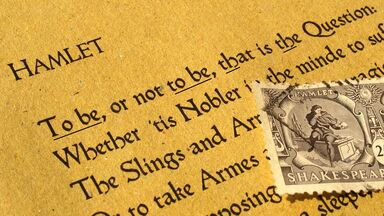
  7. a. A segment of a written work or speech: a celebrated passage from Shakespeare.
    b. Music A segment of a composition, especially one that demonstrates the virtuousity of the composer or performer: a passage of exquisite beauty, played to perfection.
    c. A section of a painting or other piece of artwork; a detail.
  8. Physiology An act of emptying, as of the bowels.
  9. Biology The process of passing or maintaining a group of microorganisms or cells through a series of hosts or cultures.
  10. Obsolete Death.

Origin:

Origin: Middle English

Origin: , from Old French

Origin: , from passer, to pass; see pass

.

noun
A slow cadenced trot in which the horse raises and returns to the ground first one diagonal pair of feet, then the other.
verb pas·saged, pas·sag·ing, pas·sag·es
verb, intransitive
To execute such a trot in dressage.
verb, transitive
To cause (a horse) to execute such a trot in dressage.

Origin:

Origin: French

Origin: , from passager, to execute a passage

Origin: , alteration (influenced by passer, to pass)

Origin: of passéger

Origin: , from Italian passeggiare

Origin: , from passare, to pass

Origin: , from Vulgar Latin *passāre

Origin: , from Latin passus, step; see pace1

.

Learn more about passage

link/cite print suggestion box