Protest Definition
prə-tĕst, prō-, prōtĕst
protested, protesting, protests
verb
protested, protesting, protests
To make objection to; speak strongly against.
Webster's New World
To state positively; affirm solemnly; assert.
Webster's New World
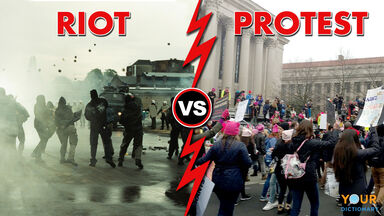
To participate in a public demonstration in opposition to (something).
Thousands protested the election fraud.
American Heritage
To make a written declaration of the nonpayment of (a bill of exchange or a promissory note)
Webster's New World
To declare an objection and reservation of rights of (a claim being made) while taking an action that would otherwise imply consent or agreement.
American Heritage
Synonyms:
noun
protests
A formal declaration of disapproval or objection issued by a concerned person, group, or organization.
American Heritage
The act or an instance of objecting; remonstrance.
Eric resigned in protest.
Webster's New World
A document formally objecting to something.
Webster's New World
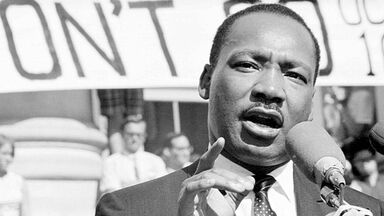
A public demonstration or organized effort to show disapproval about something, especially a governmental policy or practice.
American Heritage
A written declaration by a notary on behalf of the holder of a bill or note, showing that it has not been honored by the drawer.
Webster's New World
Synonyms:
Antonyms:
adjective
Of or having to do with dissent, esp. political dissent.
A protest movement, a protest vote cast to show dissatisfaction with the party's front-runner.
Webster's New World
Synonyms:
idiom
under protest
- while expressing one's objections; unwillingly
Webster's New World
Idioms, Phrasal Verbs Related to Protest
Origin of Protest
-
Middle English protesten from Old French protester from Latin prōtestārī prō- forth pro–1 testārī to testify (from testis witness trei- in Indo-European roots)
From American Heritage Dictionary of the English Language, 5th Edition
-
From Middle English verb protesten, from Old French protester, from Latin prōtestārī, present active infinitive of prōtestor, from prō + testor, from testis (“witness”).
From Wiktionary
Related Articles




Find Similar Words
Find similar words to protest using the buttons below.