Naive Definition
näēv
adjective
naver, navest
Lacking worldly experience and understanding, especially:
American Heritage
Unaffectedly or foolishly simple; childlike; artless.
Webster's New World
Not suspicious; credulous.
Webster's New World
Showing or characterized by a lack of sophistication and critical judgment.
American Heritage
Not having experienced or been subjected to something, as:
American Heritage Medicine
Synonyms:
noun
One who is artless, credulous, or uncritical.
American Heritage
Other Word Forms of Naive
Adjective
Base Form:
naive
Comparative:
naverSuperlative:
navestOrigin of Naive
-
French naïve feminine of naïf from Old French naif natural, native from Latin nātīvus native, rustic from nātus past participle of nāscī to be born genə- in Indo-European roots
From American Heritage Dictionary of the English Language, 5th Edition
-
From French naïve, from Latin nativus (“native, natural").
From Wiktionary


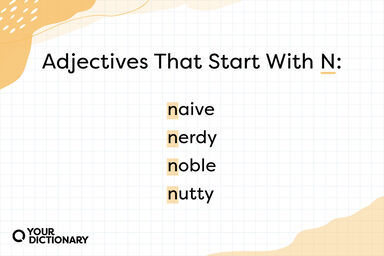
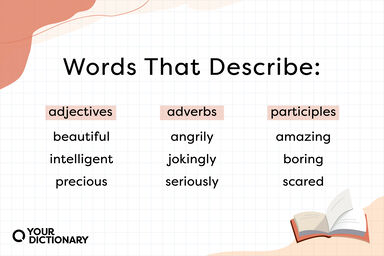


Find Similar Words
Find similar words to naive using the buttons below.