have

Have is defined as to contain, hold or own something.

(verb)

An example of to have is to own a car and a house.

YourDictionary definition and usage example. Copyright © 2013 by LoveToKnow Corp.

See have in Webster's New World College Dictionary

transitive verb had , having

  1. to hold in the hand or in control; own; possess: to have wealth
  2. to possess or contain as a part, characteristic, attribute, etc.: she has blue eyes; the week has seven days
  3. to be affected by or afflicted with: to have a cold
  4. to possess by way of experience; experience; undergo: have a good time
  5. to possess an understanding of; know: to have only a little Spanish
  6. to hold or keep in the mind: to have an idea
  7. to declare or state: so gossip has it
  8. to gain possession, control, or mastery of
    1. to get, take, receive, or obtain: to have news of someone, have a look at it
    2. to consume; eat or drink: have some tea
  9. to bear or beget (offspring)
  10. to perform; carry on; engage in: to have an argument
    1. to cause to: have them walk home
    2. to cause to be: have this done first
  11. to be in a certain relation to: to have brothers and sisters
  12. to feel and show: have pity on her
  13. to permit; tolerate: used in the negative: I won't have this nonsense
  14. Informal
    1. to hold at a disadvantage or to overcome: I had my opponent now
    2. to deceive; take in; cheat: they were had in that business deal
    3. to engage in sexual intercourse with

Origin: ME haven (earlier habben) < OE habban, akin to OHG haben, ON hafa, Goth haban < IE base *kap-, to grasp > Gr kaptein, to gulp down, L capere, to take: primary sense, “to hold, have in hand”

noun

a person or nation with relatively much wealth or rich resources: the haves and have-nots

See have in American Heritage Dictionary 4

verb had had (hăd), hav·ing, has (hăz)
verb, transitive
  1. a. To be in possession of: already had a car.
    b. To possess as a characteristic, quality, or function: has a beard; had a great deal of energy.
    c. To possess or contain as a constituent part: a car that has air bags.
  2. To occupy a particular relation to: had many disciples.
  3. To possess knowledge of or facility in: has very little Spanish.
  4. To hold in the mind; entertain: had doubts about their loyalty.
  5. To use or exhibit in action: have compassion.
  6. a. To come into possession of; acquire: Not one copy of the book was to be had in the entire town.
    b. To receive; get: I had a letter from my cousin.
    c. To accept; take: I'll have the peas instead of the spinach.
  7. a. To suffer from: have defective vision.
    b. To be subject to the experience of: had a difficult time last winter.
  8. a. To cause to do something, as by persuasion or compulsion: had my assistant run the errand.
    b. To cause to be in a specified place or state: had the guests in the dining room; had everyone fascinated.
  9. To permit; allow: I won't have that kind of behavior in my house.
  10. To carry on, perform, or execute: have an argument.
  11. a. To place at a disadvantage: Your opponent in the debate had you on every issue.
    b. Informal To get the better of, especially by trickery or deception: They realized too late that they'd been had by a swindler.
    c. Informal To influence by dishonest means; bribe: an incorruptible official who could not be had.
  12. a. To procreate (offspring): wanted to have a child.
    b. To give birth to; bear: She's going to have a baby.
  13. To partake of: have lunch.
  14. To be obliged to; must: We simply have to get there on time.
  15. To engage in sexual intercourse with.
verbaux.
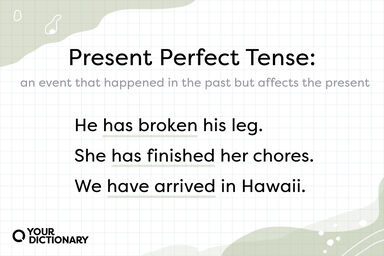
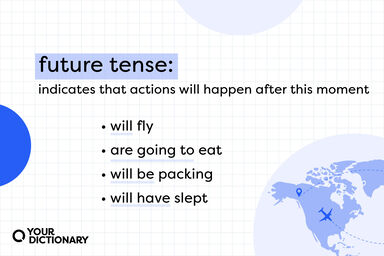
Used with a past participle to form the present perfect, past perfect, and future perfect tenses indicating completed action: The troublemaker has gone for good. I regretted that I had lost my temper. They will have finished by the time we arrive.
noun
One enjoying especially material wealth: “Almost overnight, there was a new and widespread hostility on the part of the haves toward the have-nots” (Thomas P. O'Neill, Jr.)
Phrasal Verbs: have at To attack. have on To wear: had on red shoes. To be scheduled: We have a dinner party on for Friday.

Origin:

Origin: Middle English haven

Origin: , from Old English habban; see kap- in Indo-European roots

.

Usage Note: The idioms had better and had best resemble an auxiliary verb in that their form never changes to show person or tense and that they cannot follow another verb in a phrase. In informal speech, people tend to omit had, especially with had better, as in You better do it. In formal contexts and in writing, however, had or its contraction must be preserved: You had better do it or You'd better do it. See Usage Note at rather.

Learn more about have

have

link/cite print suggestion box