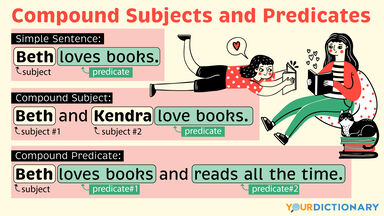
compound

Compound means to mix multiple ingredients together or make something bigger.

(verb)

  1. An example of compound is to blend grass clippings, leaves and vegetable matter for compost.
  2. An example of compound is adding rocks to a rock pile.
  3. An example of compound is to gain interest on money in a savings account.

The definition of a compound is something that contains two or more parts.

(noun)

An example of compound is a mixed cocktail.

YourDictionary definition and usage example. Copyright © 2013 by LoveToKnow Corp.

See compound in Webster's New World College Dictionary

transitive verb

  1. to mix or combine
  2. to make by combining parts or elements
  3. to settle by mutual agreement; specif., to settle (a debt) by a compromise payment of less than the total claim
  4. to compute (interest) on the sum of the principal and the accumulated interest which has accrued at regular intervals: interest compounded semiannually
  5. to increase or intensify by adding new elements: to compound a problem

Origin: ME compounen < OFr compon(d)re, to arrange, direct < L componere, to put together: see composite

intransitive verb

  1. to agree
  2. to compromise with a creditor
  3. to combine and form a compound

adjective

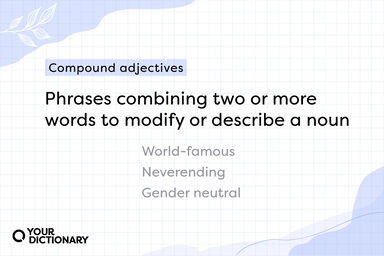
made of two or more separate parts or elements

noun

  1. a thing formed by the mixture or combination of two or more parts or elements
  2. a substance containing two or more elements chemically combined in fixed proportions
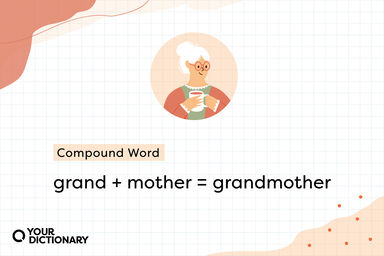
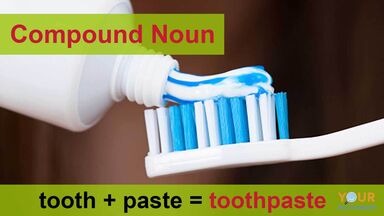
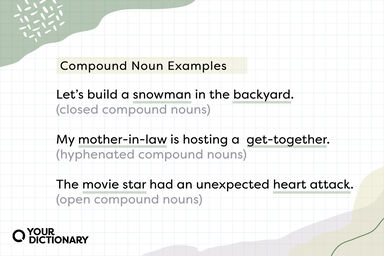
  3. a word composed of two or more base morphemes, whether hyphenated or not: English compounds are usually distinguished from phrases by reduced stress on one of the elements and by changes in meaning (Ex.: blackʹbird, blackʹ birdʹ; grandʹ-aunt, grandʹ auntʹ)

noun

  1. kampong
  2. an enclosed space with a building or group of buildings within it

Origin: Anglo-Ind < Malay kampong, enclosure

See compound in American Heritage Dictionary 4

verb com·pound·ed, com·pound·ing, com·pounds
verb, transitive
  1. To combine so as to form a whole; mix.
  2. To produce or create by combining two or more ingredients or parts: pharmacists compounding prescriptions.
  3. To settle (a debt, for example) by agreeing on an amount less than the claim; adjust.
  4. To compute (interest) on the principal and accrued interest.
  5. To add to; increase: High winds compounded the difficulties of the firefighters.
verb, intransitive
  1. To combine in or form a compound.
  2. To come to terms; agree.
adjective (kŏmˈpoundˌ, kŏm-poundˈ, kəm-)
  1. Consisting of two or more substances, ingredients, elements, or parts.
  2. Botany Composed of more than one part.
noun (kŏmˈpoundˌ)
  1. A combination of two or more elements or parts. See Synonyms at mixture.
  2. Linguistics A word that consists either of two or more elements that are independent words, such as loudspeaker, baby-sit, or high school, or of specially modified combining forms of words, such as Greek philosophia, from philo-, “loving,” and sophia, “wisdom.”
  3. Chemistry A pure, macroscopically homogeneous substance consisting of atoms or ions of two or more different elements in definite proportions that cannot be separated by physical means. A compound usually has properties unlike those of its constituent elements.
  4. Botany
    a. A leaf whose blade is divided into two or more distinct leaflets.
    b. A pistil composed of two or more united carpels.

Origin:

Origin: Alteration of Middle English compounen

Origin: , from Old French componre, compondre, to put together

Origin: , from Latin compōnere; see component

.

Related Forms:

  • com·poundˈa·ble adjective
  • com·poundˈer noun

(click for a larger image)

compound1

left: pinnately compound leaf

right: palmately compound leaf

noun
  1. A building or buildings, especially a residence or group of residences, set off and enclosed by a barrier.
  2. An enclosed area used for confining prisoners of war.

Origin:

Origin: Alteration of Malay kampong, village

.

Learn more about compound

Related Articles

compound

link/cite print suggestion box