slip

Slip is defined as to slide out of place or to quietly move without being seen.

(verb)

  1. An example of slip is to trip and land on the ice while skating.
  2. An example of slip is to leave a room without being noticed.

The definition of a slip is a mistake in judgment or footing.

(noun)

An example of slip is accidentally telling someone about her surprise birthday party.

YourDictionary definition and usage example. Copyright © 2013 by LoveToKnow Corp.

See slip in Webster's New World College Dictionary

intransitive verb slipped, slipping

  1. to go quietly or secretly; move without attracting notice: to slip out of a room
    1. to go, move, pass, etc. smoothly, quickly, or easily
    2. to get (into or out of clothes) quickly
    3. to go imperceptibly; pass unmarked: time slipped by
  2. to pass gradually into or out of some condition, activity, habit, opinion, etc.: to slip off to sleep
  3. to escape or pass from a person's memory, mind, power, grasp, etc.: to let a chance slip by
  4. to move out of place by sliding; shift or slide from position: a napkin slipping from one's lap
  5. to slide accidentally on a slippery surface, lose footing, etc.
  6. to make a mistake; fall into error; err
  7. to become worse; lose strength, ability, mental keenness, etc.
  8. to decline slightly; fall off: a slipping market
  9. Aeron. sideslip

Origin: ME slippen < MLowG, akin to OHG slifan < IE *(s)leib-, to glide, slip < base *(s)lei-, slimy: see slide

transitive verb

  1. to cause to slip or move with a smooth, sliding motion
  2. to put (on) or take (off) quickly or easily, as an article of clothing
  3. to put, pass, insert, etc. quickly, deftly, or stealthily: to slip a pill into one's mouth, to slip in a cutting remark
    1. to escape or pass from (the mind or memory)
    2. Now Rare to let pass unheeded; overlook; miss
  4. to get loose or away from (a restraint, pursuer, etc.); become free of: the dog slipped its leash
  5. to let loose (hounds) to pursue game
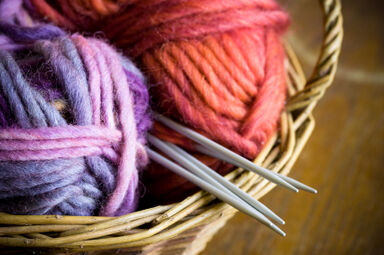
  6. to transfer (a stitch) from one needle to another without knitting it, as in forming patterns in, or decreasing the width of, a knitted piece
  7. to slink (a fetus)
  8. to put out of joint; dislocate
  9. Naut. to free an anchored ship from (the anchor) by parting or unshackling the cable

noun

    1. a pier or platform sloping into the water to serve as a landing place
    2. an inclined plane leading down to water, on which ships are built or repaired
    3. ☆ a water channel between piers or wharves, used for the docking of ships
  1. the difference between the distance moved by a vessel and the distance it would move if the propeller were advancing through a soft solid instead of mobile water; lost motion of a propeller
  2. a leash for a dog made so that it can be released quickly
    1. a woman's sleeveless undergarment the same length as a dress, usually suspended from shoulder straps
    2. a petticoat or half slip
  3. a cloth cover for a pillow
  4. an act of slipping, sliding, or falling down
  5. a deviation or turning aside, esp. from a practice, course of conduct, etc. considered right
  6. an error or mistake, esp. one made inadvertently in speaking, writing, etc.
  7. an accident or mishap
  8. the amount or degree of operative inefficiency of a mechanical device, expressed in terms of the difference between theoretical and actual output
  9. movement of one part upon another, usually where no movement is meant to exist; play
  10. Aeron. sideslip
  11. Cricket a fielder placed behind the wickets on the off side of the batter
  12. Geol.
    1. any movement displacing parts of rock or soil masses in relation to one another; small fault or landslide
    2. a smooth surface or joint where such movement has taken place
  13. Metallurgy the process by which plastic deformation is produced in metal crystals by one part of a crystal moving in relation to another, usually in a particular crystallographic plane

noun

  1. a stem, root, twig, etc. cut or broken off a plant and used for planting or grafting; cutting; scion
  2. a young, slim person: a mere slip of a girl
  3. a long, thin piece or strip, as of cloth
  4. a small piece of paper, esp. one prepared for a specific use: an order slip
  5. ☆ a narrow church pew

Origin: ME slippe < MDu < slippen, to cut

transitive verb slipped, slipping

to take a slip from (a plant) for planting or grafting

noun

Ceramics clay thinned to the consistency of cream for use in decorating or casting, or as a cement or coating

Origin: ME < OE slyppe, slypa, paste, slime, dropping < IE base *(s)leub-, to glide, slip > sleeve, L lubricus, slippery

See slip in American Heritage Dictionary 4

verb slipped slipped, slip·ping, slips
verb, intransitive
  1. a. To move smoothly, easily, and quietly: slipped into bed.
    b. To move stealthily; steal.
  2. To pass gradually, easily, or imperceptibly: “It is necessary to write, if the days are not to slip emptily by” (Vita Sackville-West).
  3. a. To slide involuntarily and lose one's balance or foothold. See Synonyms at slide.
    b. To slide out of place; shift position: The gear slipped.
  4. To escape, as from a grasp, fastening, or restraint: slipped away from his pursuers.
  5. To decline from a former or standard level; fall off.
  6. To fall behind a scheduled production rate.
  7. To fall into fault or error. Often used with up.
verb, transitive
  1. To cause to move in a smooth, easy, or sliding motion: slipped the bolt into place.
  2. To place or insert smoothly and quietly.
  3. To put on or remove (clothing) easily or quickly: slip on a sweater; slipped off her shoes.
  4. To get loose or free from; elude.
  5. To give birth to prematurely. Used of animals.
  6. To unleash or free (a dog or hawk) to pursue game.
  7. To release, loose, or unfasten: slip a knot.
  8. To dislocate (a bone).
  9. To pass (a knitting stitch) from one needle to another without knitting it.
noun
  1. The act or an instance of slipping or sliding.
  2. An accident or mishap, especially a falling down.
  3. a. An error in conduct or thinking; a mistake.
    b. A slight error or oversight, as in speech or writing: a slip of the tongue.
  4. Nautical
    a. A docking place for a ship between two piers.
    b. A slipway.
  5. Nautical The difference between a vessel's actual speed through water and the speed at which the vessel would move if the screw were propelling against a solid.
  6. a. A woman's undergarment of dress length with shoulder straps.
    b. A half-slip.
  7. A pillowcase.
  8. Geology
    a. A smooth crack at which rock strata have moved on each other.
    b. A small fault.
    c. The relative displacement of formerly adjacent points on opposite sides of a fault.
  9. The difference between optimal and actual output in a mechanical device.
  10. Movement between two parts where none should exist, as between a pulley and a belt.
  11. A sideways movement of an airplane when banked too far.

Origin:

Origin: Middle English slippen

Origin: , probably of Middle Low German or Middle Dutch origin; see lei- in Indo-European roots

.

noun
  1. A part of a plant cut or broken off for grafting or planting; a scion or cutting.
  2. A long narrow piece; a strip.
  3. A slender youthful person: a slip of a child.
  4. A small piece of paper, especially a small form, document, or receipt: a deposit slip; a sales slip.
  5. A narrow pew in a church.
transitive verb slipped slipped, slip·ping, slips
To make a slip from (a plant or plant part).

Origin:

Origin: Probably from Middle Low German

Origin: or Middle Dutch slippe

.

noun
Thinned potter's clay used for decorating or coating ceramics.

Origin:

Origin: Middle English, slime

Origin: , from Old English slypa; see sleubh- in Indo-European roots

.

abbreviation
Serial Line Internet Protocol

Learn more about slip

link/cite print suggestion box