silver

Silver is a soft, grayish-white metal, or something with the color of this metal, or something made from this metal.

Facts About Silver

  • Silver's symbol is Ag and it is number 47 on the periodic chart of elements.
  • Silver is found all over the world, even in seawater. In the United States, there are silver mines in 16 states. Most of the silver comes from Nevada, Arizona, and Idaho.
  • Silver sulfide appears as tarnish on objects made of silver or plated with silver.
  • Silver objects have been found by archaeologists in Egypt dating back to 6000 B. C.
  • Silver is rather easy to extract from its ores, so once it was discovered, it was easy to work with and therefore, was used for many things.
  • Since it is soft, it can easily be made into thin layers or rolled to make wire.
  • It is also a very good conductor of electricity and heat. It is even used to generate electricity. It reflects the sun’s heat onto tubes which in turn heat water. That heated water turns to steam and powers generators to produce electricity.
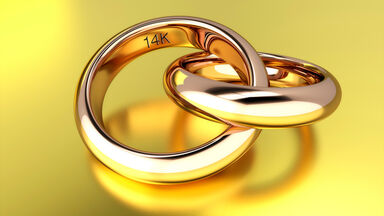
  • It is shiny, which makes it great for jewelry and decorations. Silver is too soft to be used in jewelry without being mixed with other metals, often gold.
  • Silver is used to make batteries. It is also a major component in photovoltaic cells used to collect the sun’s energy.
  • It can be used to reflect light.
  • Silver is also used to coat CDs and DVDs.
  • It is used in the production of electronics, water purification, and solar energy.
  • Silver can replace harsh chemicals in water purification.
  • Silver can prevent the formation of algae and destroy bacteria, which may have future medical applications.
  • Sterling silver, which has been around since the 14th century, is an alloy of copper and silver.
(noun)

  1. An example of silver is the metal used to coat the back of a mirror.
  2. An example of silver is the color of a dime.
  3. An example of silver is a pair of earrings.

The definition of silver is made with soft, grayish-white metal, or having the color of this metal.

(adjective)

An example of silver used as an adjective is in the phrase "silver earrings," which means a pair of earrings made from this metal.

Silver is defined as to become like the soft, white, often malleable substance or to coat or cover with it.

(verb)

An example of silver is to pour this element over a statue.

YourDictionary definition and usage example. Copyright © 2013 by LoveToKnow Corp.

See silver in Webster's New World College Dictionary

noun

  1. a soft, white, metallic chemical element that is extremely ductile and malleable, an excellent reflector of light, and the best metallic conductor of heat and electricity: it is a precious metal and is used in the manufacture of coins, jewelry, alloys, etc.: symbol, Ag; at. no., 47
    1. silver coin
    2. money; riches; wealth
  2. something, esp. tableware, made of or plated with silver; silverware
  3. the lustrous, grayish-white color of silver
  4. something having this color, as the material used in coating the back of a mirror
  5. a salt of silver as used in photography, etc.
  6. silver medal

Origin: ME selver < OE seolfer, akin to Ger silber, Goth silubr, prob. a loanword < a non-IE source

adjective

  1. made of, containing, or plated with silver: silver thread
  2. of, based on, or having to do with silver: the silver standard
  3. ☆ of or advocating the adoption of silver as a standard of currency
  4. having the color or luster of silver; silvery
  5. having a silvery tone or sound
  6. eloquent: a silver tongue
  7. marking or celebrating the 25th anniversary

transitive verb

  1. to cover or coat with silver or something like silver
  2. to make silvery in color: hair silvered with age

intransitive verb

to become silvery in color

See silver in American Heritage Dictionary 4

noun
  1. Symbol Ag A lustrous white, ductile, malleable metallic element, occurring both uncombined and in ores such as argentite, having the highest thermal and electrical conductivity of the metals. It is highly valued for jewelry, tableware, and other ornamental use and is widely used in coinage, photography, dental and soldering alloys, electrical contacts, and printed circuits. Atomic number 47; atomic weight 107.87; melting point 960.8°C; boiling point 2,212°C; specific gravity 10.50; valence 1, 2. See Table at element.
  2. This metallic element as a commodity or medium of exchange.
  3. Coins made of this metallic element.
  4. A medal made of silver awarded to one placing second in a competition, as in the Olympics.
  5. a. Domestic articles, such as tableware, made of or plated with silver.
    b. Tableware, especially eating and serving utensils, made of steel or another metal.
  6. A lustrous medium gray.
  7. A silver salt, especially silver nitrate, used to sensitize paper.
adjective
  1. Made of or containing silver: a silver bowl; silver ore.
  2. Resembling silver, especially in having a lustrous shine; silvery.
  3. Of a lustrous medium gray: silver hair.
  4. Having a soft, clear, resonant sound.
  5. Eloquent; persuasive: a silver voice.
  6. Favoring the adoption of silver as a standard of currency: the silver plank of the 1896 Democratic platform.
  7. Of or constituting a 25th anniversary.
verb sil·vered, sil·ver·ing, sil·vers
verb, transitive
  1. To cover, plate, or adorn with silver or a similar lustrous substance.
  2. To give a silver color to.
  3. To coat (photographic paper) with a film of silver nitrate or other silver salt.
verb, intransitive
To become silvery.

Origin:

Origin: Middle English

Origin: , from Old English siolfor, seolfor

Origin: , probably ultimately from Akkadian ṣarpu, refined silver

Origin: , verbal adj. of ṣarāpu, to smelt, refine; see ṣrp in Semitic roots

.

Learn more about silver

Related Articles

link/cite print suggestion box