Repulse Definition
rĭ-pŭls
repulsed, repulses, repulsing
verb
repulsed, repulses, repulsing
To drive back; repel, as an attack.
Webster's New World
To repel with discourtesy, coldness, indifference, etc.; refuse, reject, or rebuff.
Webster's New World
To cause repugnance or distaste in.
Was repulsed by his drunken behavior.
American Heritage
To be repulsive, or disgusting, to.
Webster's New World
Synonyms:
noun
repulses
A repelling or being repelled.
Webster's New World
The act of repulsing or the state of being repulsed.
Wiktionary
A refusal, rejection, or rebuff.
Webster's New World
Antonyms:
Origin of Repulse
-
For spelling, as in pulse, the -e (on -lse) is so the end is pronounced /ls/, rather than /lz/ as in pulls, and does not change the vowel ("˜u'). Compare else, false, convulse.
From Wiktionary
-
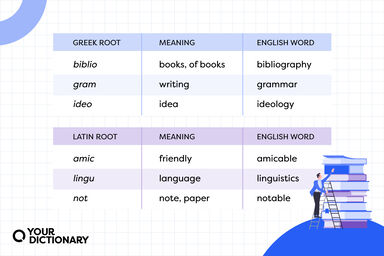
From Latin repellere (“to drive back"), from re- (“back") + pellere (“to drive").
From Wiktionary
-
Middle English repulsen from Latin repellere repuls- repel
From American Heritage Dictionary of the English Language, 5th Edition


Find Similar Words
Find similar words to repulse using the buttons below.