premise

The definition of a premise is a previous statement that an argument is based or how an outcome was decided.

(noun)

An example of premise is a couple seeing a movie chosen by one, because they saw a movie chosen by the other last week.

YourDictionary definition and usage example. Copyright © 2013 by LoveToKnow Corp.

See premise in Webster's New World College Dictionary

noun

  1. also sp. Chiefly Brit.premiss
    1. a previous statement or assertion that serves as the basis for an argument
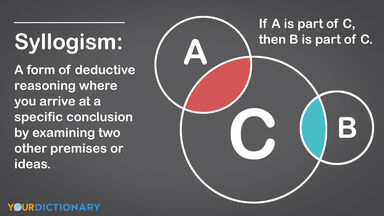
    2. Logic either of the two propositions of a syllogism from which the conclusion is drawn
    1. the part of a deed or lease that states the parties involved, the property in conveyance, and other pertinent facts
    2. the property so mentioned
  2. a piece of real estate; house or building and its land: keep off the premises

Origin: ME premisse < ML praemissa < L praemissus, pp. of praemittere, to send before < prae-, before + mittere, to send: see pre- & mission

transitive verb premised, premising

  1. to state as a premise
  2. to introduce or preface (a discourse, etc.)

intransitive verb

to make a premise

See premise in American Heritage Dictionary 4

noun also prem·iss
  1. A proposition upon which an argument is based or from which a conclusion is drawn.
  2. Logic
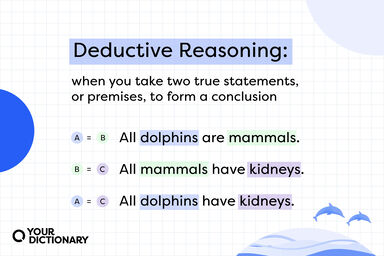
    a. One of the propositions in a deductive argument.
    b. Either the major or the minor proposition of a syllogism, from which the conclusion is drawn.
  3. premises Law The preliminary or explanatory statements or facts of a document, as in a deed.
  4. premises
    a. Land and the buildings on it.
    b. A building or part of a building.
verb prem·ised, prem·is·ing, prem·is·es
verb, transitive
  1. To state in advance as an introduction or explanation.
  2. To state or assume as a proposition in an argument.
verb, intransitive
To make a premise.

Origin:

Origin: Middle English premisse

Origin: , from Old French

Origin: , from Medieval Latin praemissa (propositiō), (the proposition) put before, premise

Origin: , from Latin

Origin: , feminine past participle of praemittere, to set in front

Origin: : prae-, pre-

Origin: + mittere, to send

.

Word History: Why do we call a single building the premises? To answer this question, we must go back to the Middle Ages. But first, let it be noted that premises comes from the past participle praemissa, which is both a feminine singular and a neuter plural form of the Latin verb praemittere, “to send in advance, utter by way of preface, place in front, prefix.” In Medieval Latin the feminine form praemissa was used as a term in logic, for which we still use the term premise descended from the Medieval Latin word (first recorded in a work composed before 1380). Medieval Latin praemissa in the plural meant “things mentioned before” and was used in legal documents, almost always in the plural, a use that was followed in Old French and Middle English, both of which borrowed the word from Latin. A more specific legal sense in Middle English, “that property, collectively, which is specified in the beginning of a legal document and which is conveyed, as by grant,” was also always in the plural in Middle English and later Modern English. And so it remained when this sense was extended to mean “a house or building with its grounds or appurtenances,” a usage first recorded before 1730.

Learn more about premise

Related Articles

link/cite print suggestion box