buck

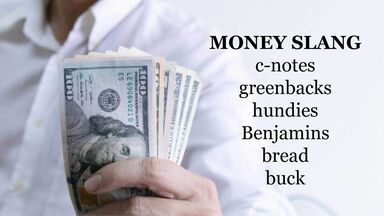
The definition of a buck is slang for a dollar, or an adult male animal, often with antlers.

(noun)

  1. An example of a buck is a dollar.
  2. An example of a buck is a male deer.

To buck is to resist or to move forward in a jerking motion.

(verb)

  1. An example of buck is to resist the system's usual routine.
  2. An example of buck is the motion of a animal when it is trying to throw off a rider.

YourDictionary definition and usage example. Copyright © 2013 by LoveToKnow Corp.

See buck in Webster's New World College Dictionary

noun

  1. pl. bucks or buck a male deer, antelope, goat, rabbit, etc.
  2. ☆ the act of bucking
    1. buckskin
    2. casual oxford shoes, originally of buckskin, now usually of light-colored suede, nubuck, etc.
  3. Informal a young man, esp. one who is bold, lively, vigorous, etc.: sometimes a contemptuous or patronizing term as applied to a young black or North American Indian man
  4. Archaic a fop or dandy

Origin: ME bukke < OE bucca, male goat < IE base *bhuĝo- > Ger bock, Du bok, Ir boc

intransitive verb

  1. ☆ to rear upward quickly and descend with the back arched and forelegs stiff, as in an attempt to throw off a rider: said of a horse, mule, etc.
  2. to plunge forward with lowered head, as a goat
  3. Informal to resist something as if plunging against it
  4. Informal to move jerkily: said as of a car

transitive verb

  1. ☆ to dislodge or throw by bucking
  2. Informal to resist stubbornly

adjective

  1. male
  2. ☆ of the lowest military rating: buck private, buck sergeant

Related Forms:

noun

  1. Now Rare a sawbuck; sawhorse
  2. a small gymnastics horse used especially for training

Origin: < sawbuck

noun

  1. Poker, Historical a counter placed before a player as a reminder to deal next, etc.
  2. Slang a dollar

Origin: < ? buckskin, used as a medium of exchange

Buck, Pearl (born Pearl Sydenstricker) 1892-1973; U.S. novelist

See buck in American Heritage Dictionary 4

noun
  1. a. The adult male of some animals, such as the deer, antelope, or rabbit.
    b. Antelope considered as a group: a herd of buck.
  2. a. A robust or high-spirited young man.
    b. A fop.
  3. Offensive A Native American or Black man.
  4. An act or instance of bucking: a horse that unseated its rider on the first buck.
  5. a. Buckskin.
    b. bucks Buckskin breeches or shoes.
verb bucked, buck·ing, bucks bucks
verb, intransitive
  1. To leap upward arching the back: The horse bucked in fright.
  2. To charge with the head lowered; butt.
  3. To make sudden jerky movements; jolt: The motor bucked and lurched before it finally ran smoothly.
  4. To resist stubbornly and obstinately; balk.
  5. Informal To strive with determination: bucking for a promotion.
verb, transitive
  1. To throw or toss by bucking: buck off a rider; bucked the packsaddle off its back.
  2. To oppose directly and stubbornly; go against: “Los Angeles County, the most populous county in the country, is bucking the trend” (American Demographics).
  3. Football To charge into (an opponent's line) carrying the ball.
  4. Archaic To butt against with the head.
adjective
Of the lowest rank in a specified military category: a buck private; a buck sergeant.
Phrasal Verb: buck up To summon one's courage or spirits; hearten: My friends tried to buck me up after I lost the contest.

Origin:

Origin: Middle English bukke

Origin: , from Old English buc, male deer,

Origin: and bucca, male goat

.

Related Forms:

  • buckˈer noun

noun
  1. A sawhorse or sawbuck.
  2. A leather-covered frame used for gymnastic vaulting.

Origin:

Origin: Alteration (influenced by buck1)

Origin: of Dutch bok, male goat, trestle

Origin: , from Middle Dutch boc

.

noun
Informal
  1. A dollar.
  2. An amount of money: working overtime to make an extra buck.

Origin:

Origin: Short for buckskin (from its use in trade)

.

noun
Games
  1. A counter or marker formerly passed from one poker player to another to indicate an obligation, especially one's turn to deal.
  2. Informal Obligation to account for something; responsibility: tried to pass the buck for the failure to his boss.
transitive verb bucked, buck·ing, bucks bucks
Informal
To pass (a task or duty) to another, especially so as to avoid responsibility: “We will see the stifling of initiative and the increased bucking of decisions to the top” (Winston Lord).

Origin:

Origin: Short for buckhorn knife (from its use as a marker in poker)

.

American writer whose life as a missionary in China lent a vivid immediacy to her novels, including The Good Earth (1931). She won the 1938 Nobel Prize for literature.

Learn more about buck

buck

link/cite print suggestion box