bloom

The definition of bloom means the flower of a plant or the state of being in a healthy condition.

(noun)

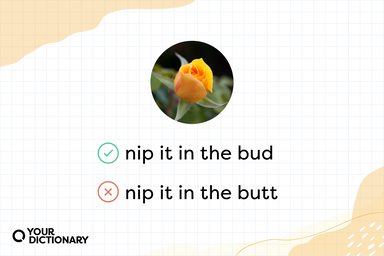
  1. An example of a bloom is a bud on a rose.
  2. An example of a bloom is a glowing complexion.

YourDictionary definition and usage example. Copyright © 2013 by LoveToKnow Corp.

See bloom in Webster's New World College Dictionary

noun

  1. a flower; blossom
  2. flowers collectively, as of a plant
  3. the state or time of flowering
  4. a state or time of best health or greatest beauty, vigor, or freshness; prime
  5. a youthful, healthy glow (of cheeks, skin, etc.)
  6. the grayish, powdery coating on various fruits, as the plum, grape, etc., and on some leaves
  7. any similar coating, as on new coins
  8. a mass of planktonic algae in lakes, ponds, or the sea, as in the development of red tides

Origin: ME blom < ON blomi, flowers and foliage on trees < IE *bhlō-, var. of base *bhel-, to swell, sprout > blade, bleed, L flos, flower, Gr phyllon, leaf

intransitive verb

  1. to bear a flower or flowers; blossom
  2. to reach a prime condition, as in health, vigor, beauty, perfection, etc.; flourish
  3. to glow with color, health, etc.

transitive verb

Archaic to cause to bloom, flower, or flourish

noun

  1. a spongy mass of wrought iron ready for further working
  2. a thick bar of iron or steel obtained by rolling or hammering an ingot

Origin: OE bloma, lump of metal

See bloom in American Heritage Dictionary 4

noun
  1. a. The flower of a plant.
    b. Something resembling the flower of a plant: “Her hair was caught all to one side in a great bloom of frizz” (Anne Tyler).
  2. a. The condition of being in flower: a rose in full bloom.
    b. A condition or time of vigor, freshness, and beauty; prime: “the radiant bloom of Greek genius” (Edith Hamilton).
  3. A fresh, rosy complexion: “She was short, plump, and fair, with a fine bloom” (Jane Austen).
  4. a. A waxy or powdery whitish to bluish coating on the surface of certain plant parts, as on cabbage leaves or on a plum or grape.
    b. A similar coating, as on newly minted coins.
    c. Grayish blotches or streaks on the surface of chocolate produced by the formation of cocoa butter crystals.
    d. Chemistry See efflorescence.
  5. Glare that is caused by a shiny object reflecting too much light into a television camera.
  6. A visible, colored area on the surface of bodies of water caused by excessive planktonic growth.
verb bloomed, bloom·ing, blooms
verb, intransitive
  1. a. To bear a flower or flowers.
    b. To support plant life in abundance: rains that made the yard bloom.
  2. To shine; glow.
  3. To grow or flourish with youth and vigor.
  4. To appear or expand suddenly: White vapor bloomed from the side of the rocket's fuel tank.
verb, transitive
  1. To cause to flourish.
  2. Obsolete To cause to flower.

Origin:

Origin: Middle English blom

Origin: , from Old Norse blōm; see bhel-3 in Indo-European roots

.

Related Forms:

  • bloomˈy adjective

noun
  1. A bar of steel prepared for rolling.
  2. A mass of wrought iron ready for further working.

Origin:

Origin: Middle English blome, lump of metal

Origin: , from Old English blōma; see bhel-3 in Indo-European roots

.

American literary theorist and scholar whose works include The Anxiety of Influence (1972).

Learn more about bloom

bloom

link/cite print suggestion box