YourDictionary

Attitudes

Attitudes

See also behavior; moods; psychology.

altruism

a concern or regard for the needs of others, entirely without ulterior motive. —altruist, n.altruistic, adj.

amateurism

the views and principles of a person who engages in an activity for pleasure rather than profit. Cf. professionalism. —amateur, n.

animosity

an active dislike or energetic hostility that leads to strong opposition.

antagonism

a contentiousness toward or opposition to others or their ideas; hostility or antipathy. —antagonistic, adj.

anti-Gallicanism

dislike of or opposition to anything French. — anti-Gallican, anti-Gallic, adj.

anti-Klanism

opposition to the ideas and activities of the Ku Klux Klan.

authoritarianism

1. the habit of conduct, thought, and speech expressing total submission to rigid principles and rules.

2. the principles and views of the rule maker. —authoritarian, n., adj.

autotheism

a person’s elevation of himself into being his own god.

Babbittism

adherence to a rigidly conventional set of mores and aspirations. The salient characteristics are the drive for business success and the lack of culture. The model for the characterization is George Babbitt, chief protagonist of Sinclair Lewis’s novel, Babbitt. Also Babbittry.

beatnikism

attitudes or behavior typical of a beatnik or one who has rejected conventions of society.

beauism

the tendency to give excessive attention to matters of dress and etiquette. —beauish, adj.

bellicosity

a warlike or hostile attitude. —bellicose, adj.

bigotry

obtuse or narrow-minded intolerance, especially of other races or religions. —bigot, n. —bigoted, adj.

bucolicism

the conduct and views suitable for a rural, rustic, or pastoral existence. —bucolic, bucolical, adj.

centrism

adherence to a middle-of-the-road position, neither left nor right, as in politics. —centrist, adj., n.

complaisance

the quality or state of being agreeable, gracious, considerate, etc. —complaisant, adj.

conformism

the act or practice of conforming, as to social convention, religious orthodoxy, or established political belief, —conformist, n., adj.

constructionism

the use of or reliance on construction or constructive methods. —constructionist, n.

controversialism

the relation to controversy or to a subject of controversy. —controversialist, n.

conventionalism

a variety of conduct and thought based solely upon the usages, opinions, and practices of one’s own society. —conventionalist, n.

cosmopolitanism

the opinions and behavior emerging from the theory that cultural and artistic activities should have neither national nor parochial boundaries. —cosmopolitan, n., adj.

cynicism

the holding or expressing of opinions that reveal disbelief and sometimes disdain for commonly held human values and virtues. Also called cynism. See also philosophy. —cynic, n.cynical, adj.

dandyism

excessive concern with matters of dress; foppishness. —dandy, n.

defeatism

1. the acceptance of defeat as a foregone conclusion and the resultant failure to make an effort to succeed.

2. the views underlying acceptance of the frustration or thwarting of a goal, especially by the failure to prevent them. Cf. futilitarianism. —defeatist, n., adj.

didacticism

the views and conduct of one who intends to teach, often in a pedantic or contemptuous manner, both factual and moral material. —didact, n. —didactic, adj.

die-hardism

the attitudes or behavior of one who stubbornly holds on to something, as an outdated view, untenable position, etc. —die-hard, n., adj.

egoism

an extreme individualism; thought and behavior based upon the premise that one’s individual self is the highest product, if not the totality, of existence. Cf. individualism.egoist, n.egoistic, adj.

egotism

the practice of thought, speech, and conduct expressing high self-regard or self-exaltation, usually without skepticism or humility. —egotist, n.egotistical, adj.

elitism

the attitude that government should be by those who consider themselves superior to others by virtue of intelligence, social status, or greater accomplishment.

emotionalism

an undue influence of feelings upon thought and behavior. —emotionalist, n.emotionalistic, adj.

equanimity

calmness of temperament; even-temperedness. —equanimous, adj.

eremitism

1. the state of being a hermit.

2. an attitude favoring solitude and seclusion. —eremite, n.eremitic, adj.

ethicism

a conscious tendency to moralize.

externalism

attention paid to outward or outside matters, especially in religious affairs. —externalist, n.

extremism

1. the condition or act of taking an extreme view.

2. the taking of extreme action. —extremist, n., adj.

fanaticism

an extreme and uncritical zeal or enthusiasm, as in religion or politics. —fanatic, n., adj.fanatical, adj.

fatalism

the viewpoints of believers in the doctrine that all things are determined by the nature of existence and beyond human influence. —fatalist, n.fatalistic, adj.

faustianism

spiritual or intellectual dissatisfaction combined with a desire for power or material advantage. After Johann Faust (c. 1480-c. 1538), German scholar portrayed by Marlowe and Goethe. —faustian, adj.

feminism

an attitude favoring the movement to eliminate political, social, and professional discrimination against women. —feminist, n., adj.feministic, adj.

finalism

the belief in final causes. —finalist, n.

finicalism

Rare. a conscious and sometimes affected fastidiousness and undue concern with trifles, especially those affecting elegance.

finicalness

an undue fastidiousness or overniceness. Also called finicality, finicism.finical, adj.

finicism

Rare. finicalness.

fogyism

an adherence to old-fashioned or conservative ideas and intolerance of change, often coupled with dullness or slowness of personality. —fogyish, fogeyish, adj.

formulism

the basing of behavior and thinking upon existent categories, formulas, or systems of formulas; traditionalism. —formulist, n.formulistic, adj.

fossilism

behavior typical of an earlier time; old-fashioned or stuffy attitudes.

futilitarianism

a belief in the uselessness of human endeavor and aspiration. Cf. defeatism. —futilitarian, n., adj.

gigmanism

Rare. the habit of narrowmindedness, or philistinism.

girouettism

the practice of frequently altering one’s opinions or principles to follow popular trends.

gourmetism

the theories and standards of connoisseurs in eating and drinking. Also called gourmandism.

Grundyism

the censorship of personal conduct based upon narrow and unintelligent conventionalism. —Grundyist, Grundyite, n.

hidalgoism

the characteristics of a member of the Spanish lower nobility.

hypersensitivity

extreme or abnormal sensitivity, as to criticism. —hypersensitive, adj.

imaginationalism

an attitude of mind in which the imagination dominates. —imaginational, adj.

impossibilism

a defeatist attitude; the belief that all things are impossible.

impudicity

lack of shame or modesty.

indeterminism

the quality of not being clearly established or fixed. —indeterminist, n.indeterministic, adj.

indifferentism

the condition of being indifferent or of having no preference. See also philosophy; religion. — indifferentist, n.

individualism

the practice of independence in thought and action on the premise that the development and expression of an individual character and personality are of the utmost importance. Cf. egoism. —individualist, n.individualistic, adj.

insouciance

lack of care or concern; a lighthearted attitude. —insouciant, adj.

jocundity

the quality or condition of being merry or cheerful. —jocund, adj.

jovialist

Obsolete, a person who leads a merry life.

Klanism

the beliefs and practices of members of the Ku Klux Klan. Also called Ku Kluxism, Ku Kluxery.

Laodiceanism

the quality of being indifferent in politics or religion.

latitudinarianism

tolerance or broadmindedness, especially in matters of religion; the liberal interpretation of beliefs or doctrines. —latitudinarian, n., adj.

lenity

the quality or condition of being gentle or merciful. —lenient, adj.

levity

frivolous or lighthearted behavior or attitude; an unserious approach to life. See also humor.

maidism

1. the state or quality of being a maid, a young or unmarried woman.

2. behavior or attitude typical of maidism.

malism

the conviction that the world is evil.

mansuetude

the state or quality of being gentle or mild.

masculinism

1. masculinity.

2. an attempt to protect masculine traits and qualities against the assaults of militant feminism. Cf. feminism.

megalopsychy

Obsolete, generosity of spirit or magnanimity.

mercuriality

1. the state or quality of having a lively, fickle, volatile, or erratic attitude or character.

2. an instance of such behavior. —mercurial, adj.

militancy

1. the state or condition of being combative or disposed to fight.

2. the active championing of a cause or belief. —militant, n., adj.

misandry

an extreme dislike of males, frequently based upon unhappy experience or upbringing. Cf. misogynism.

misanthropy

a hatred of mankind; pessimistic distrust of human nature expressed in thought and behavior. Cf. philanthropy. —misanthrope, misanthropist, n.misanthropic, adj.

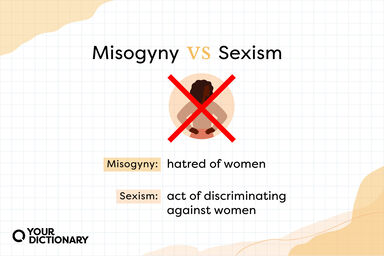
misogyny

an extreme dislike of females, frequently based upon unhappy experience or upbringing. Cf. misandry.

misosophy

Rare. a hatred of wisdom. —misosophist, n.

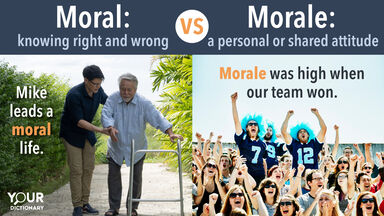
morbidity

the state or quality of being excessively gloomy. —morbid, adj.

mordancy

the quality or state of being sarcastic or caustic. —mordant, adj.

morosity

the quality or state of being excessively sullen or gloomy. —morose, adj.

munichism

an attitude that favors appeasement.

munificence

the quality of being exceedingly generous; lavish generosity. —munificent, adj.

namby-pambyism

weak or insipid behavior or attitude. —namby-pamby, n.

neanderthalism

adherence to or advocacy of crude outmoded views, practices, etc. —neanderthal, adj.

negativism

1. an attitude characterized by an unwillingness to follow suggestions or orders, as in children.

2. a pessimistic approach to life. See also philosophy. —negativist, n., adj.,negativistic, adj.

neoconservatism

a new movement in conservatism, usually seen as a move further to the right of the position currently occupied by conservatives in politics or in attitudes. —neoconservative, n., adj.

nice-nellyism, nice-Nellyism

an inordinate degree of modesty or prudishness, or the appearance of such characteristics. See also language styles. —nice-nelly, —nice-Nelly, n.

nihilism

total rejection of established attitudes, practices, and institutions. —nihilist, n.nihilistic, adj.

nonconformism

a deliberate and conscious refusal to conform to conventional practices or patterns of behavior. —nonconformist, n.nonconformity, n.

obduracy

the state or condition of being obstinate or hardhearted. —obdurate, adj.

objectivism

views and behavior that are not moved by the emotional content of an event, argument, or problem. Also objectivity.

obsequence

the desire, willingness, or eagerness to oblige, serve, please, etc.; obsequiousness. —obsequent, adj.

odium

1. hatred.

2. the infamy or opprobrium brought on by being hated or by hateful behavior. —odious, adj.

overoptimism

an excessive and usually groundless optimism. —overoptimist, n.overoptimistic, adj.

parochialism

narrowness or pettiness of interests, opinions, or information. —parochialist, n.

parvanimity

smallness or pettiness of mind.

passivism

1. the state or quality of being inactive, of not participating.

2. the doctrine or advocacy of a passive policy, as passive resistance. —passivist, n.

perfectibilism

the attitude that anything short of perfection is unacceptable. —perfectibilist, n.

perfectionism

1. the religious or philosophical aspiration to be perfect in moral character.

2. a personality trait manifested by the rejection of personal achievements falling short of perfection, often leading to distress and self-condemnation. —perfectionist, n. —perfectionistic, adj.

pessimism

a depressed and melancholy viewpoint manifested as a disposition to hold the least hopeful opinion of conditions or behavior. See also philosophy. —pessimist, n.pessimistic, adj.

petulance

1. the condition or quality of being irritable, peevish, or impatient.

2. an irritable or peevish statement or action. Also petulancy. —petulant, adj.

philanthropy

a deliberate affection for mankind, shown in contributions of money, property, or work for the benefit of others. Cf. misanthropy. —philanthropist, n.philanthropic, adj.

philistinism

the opinions, goals, and conduct of persons deficient in liberal culture. —philistine, n., adj.

philopater

Obsolete. 1. one who loves his father.

2. one who loves his country.

plerophory

a state or quality of full confidence or absolute certainty.

pococurantism

indifference; nonchalance.

Pollyannaism

blind or excessive optimism, after the character Pollyanna, created by American writer Eleanor Porter (1868-1920).

precisionism

an insistence upon perfection in language, morals, or ritual. —precisionist, n.precisionistic, adj.

professionalism

the standards, views, and behavior of one who engages in an activity, especially sports or the arts, to make his livelihood. Cf. amateurism.professional, n., adj.

protervity

peevishness.

pudency

modesty or shyness; embarrassment.

pudicity

modesty, especially chastity or chastefulness.

racism

1. a belief that human races have distinctive characteristics that determine their respective cultures, usually involving the idea that one’s race is superior and has the right to control others.

2. a belief in a policy of enforcing the asserted right of control. —racist, n., adj.

ritualism

ceremonialism. —ritualist, n.ritualistic, adj.

rubricism

a tenacious adherence to rules of behavior or thought; formulism. —rubrician, n.

ruralism

the motivations for exalting country above city living. —ruralist, n.

sanguinity

the quality or condition of being ardent, confident, or optimistic. —sanguine, adj.

scientism

1. Often Disparaging. the style, assumptions, techniques, practices, etc., typifying or regarded as typifying scientists.

2. the belief that the assumptions and methods of the natural sciences are appropriate and essential to all other disciplines, including the humanities and the social sciences.

3. scientific or pseudoscientific language. —scientistic, adj.

sexism

the practice of discriminating against women in the offering of job opportunities, increases in salary, and other matters now generally considered to belong to women by right.

skepticism, scepticism

a personal disposition toward doubt or incredulity of facts, persons, or institutions. See also 312. PHILOSOPHY. —skeptic, n., adj.skeptical, adj.

snobbism

the double inclination to ape one’s superiors, often through vulgar ostentation, and to be proud and insolent with one’s inferiors. Also called snobbery. —snob, n. —snobby, snobbish, adj.

spartanism

a devotion to the habits and qualities of the ancient Spartans, especially to an indomitable spirit, undaunted hardihood, and stark simplicity. —spartan, n., adj.

spectacularism

the state of being spectacular.

standpattism

an attitude of resistance to change; extreme conservatism.

subjectivism

the views and behavior of one who tends to be affected by the emotional qualities of an event, argument, or problem. Also called subjectivity.

suburbanism

the doctrines and conduct of those who regard life in suburbia superior to life in cities or country.

tokenism

formal or superficial compliance with a law, requirement, convention, etc., especially in the hiring of members of a minority group.

traditionalism

the tendency to submerge individual opinions or creativity in ideas or methods inherited from the past, distinguished from conventionalism in having reference more to the past than to the present. Also called traditionism. See also catholicism. —traditionalist, n.

trivialism

concern over things that are common or unimportant. —triviality, n.trivial, adj.

troglodytism

1. an outlook or activity suitable to a cave dweller, especially among primitive tribes.

2. the motivation or condition of a modern cave-dwelling recluse, especially one who has rejected normal society.

3. coarse, brutal behavior, thought to resemble that of a primitive cave dweller. —troglodyte, n. —troglodytic, adj.

ultraism

1. an extremist point of view or act.

2. extremism. —ultraist, n., adj.ultraistic, adj.

un-Americanism

the state or condition of being out of sympathy with or against an ideal of American behavior, attitudes, beliefs, etc. —un-American, n., adj.

urbanism

the views and behavior of those who champion urban living as superior to life elsewhere. Cf. ruralism, suburbanism. — urbanistic, adj.

vestryism

selfishness and parochialism said to be characteristic of rural parishioners. Also called vestrydom. —vestryish, adj.

vulturism

behavior or character typical of a vulture, especially in the sense of being rapacious. —vulturous, adj.

yokelism

1. the state or quality of being a yokel or country bumpkin.

2. behavior, language, etc, typical of a yokel.

Learn more about Attitudes

link/cite print suggestion box