nature

Nature is defined as the natural Earth and the things on it, or the essence of a person or thing.

(noun)

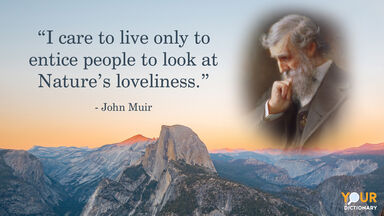
  1. The trees, forests, birds and animals are all an example of nature.
  2. If someone is inherently evil, this is an example of a person who has an evil nature.

YourDictionary definition and usage example. Copyright © 2013 by LoveToKnow Corp.

See nature in Webster's New World College Dictionary

noun

  1. the essential character of a thing; quality or qualities that make something what it is; essence
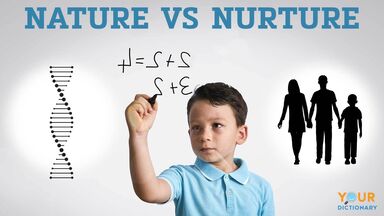
  2. inborn character; innate disposition; inherent tendencies of a person
  3. the vital functions, forces, and activities of the organs: often used as a euphemism
  4. kind; sort; type: things of that nature
  5. any or all of the instincts, desires, appetites, drives, etc. of a person or animal
  6. what is regarded as normal or acceptable behavior
  7. the sum total of all things in time and space; the entire physical universe
  8. the power, force, principle, etc. that seems to regulate the physical universe: often personified, sometimes as Mother Nature
  9. the primitive state of man
  10. a simple way of life close to or in the outdoors
  11. natural scenery, including the plants and animals that are part of it
  12. Archaic affectionate or kindly feeling
  13. Theol. the state of humanity viewed hypothetically as unredeemed by grace

Origin: OFr < L natura < natus, born, produced: see genus

See nature in American Heritage Dictionary 4

noun
  1. The material world and its phenomena.
  2. The forces and processes that produce and control all the phenomena of the material world: the laws of nature.
  3. The world of living things and the outdoors: the beauties of nature.
  4. A primitive state of existence, untouched and uninfluenced by civilization or artificiality: couldn't tolerate city life anymore and went back to nature.
  5. Theology Humankind's natural state as distinguished from the state of grace.
  6. A kind or sort: confidences of a personal nature.
  7. The essential characteristics and qualities of a person or thing: “She was only strong and sweet and in her nature when she was really deep in trouble” (Gertrude Stein).
  8. The fundamental character or disposition of a person; temperament: “Strange natures made a brotherhood of ill” (Percy Bysshe Shelley).
  9. The natural or real aspect of a person, place, or thing. See Synonyms at disposition.
  10. The processes and functions of the body.

Origin:

Origin: Middle English, essential properties of a thing

Origin: , from Old French

Origin: , from Latin nātūra

Origin: , from nātus

Origin: , past participle of nāscī, to be born; see genə- in Indo-European roots

.

See nature in Ologies

Nature

See also earth; environment

aetiology

etiology.

ambrology

the study of the sources and formation of amber. —ambrologic, ambrological, adj.

anthropopsychism

the assignment of a humanlike soul to nature. — anthropopsychic, adj.

azoology

the study of inanimate nature.

chemism

the quality of chemical activities, properties, or relationships.

conservationist

a person who advocates the conservation of the natural resources of a country or region. —conservational, adj.

etiology, aetiology

the science of the causes of natural phenomena. —etiologic, aetiologic, etiological, aetiological, adj.

physiolatry

the worship of nature. —physiolater, n. —physiolatrous, adj.

physiosophy

the body of wisdom about nature.

physis

1. the principle or concept of growth and change in nature.

2. nature considered as the source of growth and change.

3. something that grows or develops.

physitheism

1. the assignment of a physical form to a god.

2. the deification and worship of natural phenomena; physiolatry.

physiurgic

produced by natural rather than divine or human forces.

thaumatography

a dissertation on the wonders of nature. —thaumatographic, adj.

Learn more about nature

Related Articles

nature

link/cite print suggestion box