tract Hear it!

tract¹ Definition

tract (trakt)

noun

  1. Archaic
    1. duration or lapse of time
    2. a period of time
  2. a continuous expanse of land or of water, mineral deposit, etc.; stretch; extent; area
  3. Chiefly West a housing development
  4. Anat., Zool.
    1. a system of parts or organs, or an elongated region, having some special function the genitourinary tract
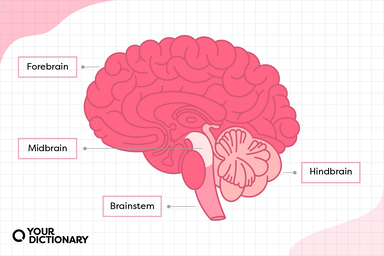
    2. a bundle of nerve fibers having the same origin, termination, and function
  5. Etymology: ML(Ec) tractus

    R.C.Ch. in the former Latin Mass, one or more penitential verses said, as in Lent, after the Gradual

Etymology: L tractus, a drawing out, extent < pp. of trahere, to draw

tract² Definition

tract (trakt)

noun

  1. Obsolete a treatise
  2. a propagandizing pamphlet, esp. one on a religious or political subject

Etymology: ME tracte < LL tractatus: see tractate

tract Synonyms

tract

n.

expanse, plot, region, stretch, piece of land, field.

tract Usage Examples

Preposition: of

  • moorland: Extensive tract of dry moorland, Mountain grass, moor bent grass.
  • rainforest: The south is much wilder, with huge unbroken tracts of rainforest.
  • heathland: The plan has been created with the aims of preventing further decline and restoring vast tracts of heathland back to their former glory.
  • land: Never was a more barren tract of land than these seven or eight miles.
  • wilderness: Yet 90 per cent of the population lives within 100 miles of the US border, leaving huge tracts of unspoiled wilderness elsewhere.
  • farmland: Benetton owns vast tracts of farmland in southern Argentina, where it rears sheep to provide wool for its garments.

Converse of object

  • irritate: These fumes may cause occupational asthma and can also irritate the upper respiratory tract and eyes.
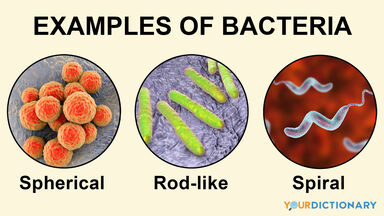
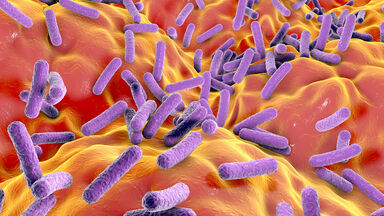
  • inhabit: Probiotics and Beneficial Bacteria Researchers estimate that more than 400 species of bacteria inhabit the digestive tract.

Adjective modifier

  • gastrointestinal: It is only poorly absorbed from the gastrointestinal tract in the presence of intact mucosa.
  • digestive: Ideally small children, who have got very short digestive tracts compared to adults, should go about twice a day.
  • urinary: The most common part of the urinary tract to get infection is the bladder.
  • respiratory: Slow virus infections of the respiratory tract of sheep.
  • intestinal: Take care not to puncture any part of the intestinal tract.
  • gastro-intestinal: We focus on tumors of the head and neck, breast, lower gastro-intestinal tract, prostate and basal cell carcinoma of the skin.

Modifies a noun

  • infection: During the winter months respiratory tract infections with a variety of viruses are more common.
  • obstruction: For example, urinary tract obstruction, can be treated to save renal function.
  • symptom: One-fourth of these men will develop moderate to severe lower urinary tract symptoms that greatly affect their quality of life.

Noun used with modifier

  • outflow: I'd known he had something but this is the first time the doctor called it the outflow tract obstruction.
  • inlet: Fit the reed valve assembly into the inlet tract, taking care not to damage the petals.
  • sinus: They sometimes rupture and discharge fluid or pus, and sometimes open sinus tracts form.