Reason Definition
rēzən
reasoned, reasoning, reasons
noun
reasons
An explanation or justification of an act, idea, etc.
Webster's New World
A cause or motive.
Webster's New World
A declaration made to explain or justify action, decision, or conviction.
What reasons did she give for leaving?
American Heritage
A fact or cause that explains why something exists or has occurred.
The reason for the building's collapse is unknown.
American Heritage
The ability to think, form judgments, draw conclusions, etc.
Webster's New World
verb
reasoned, reasons
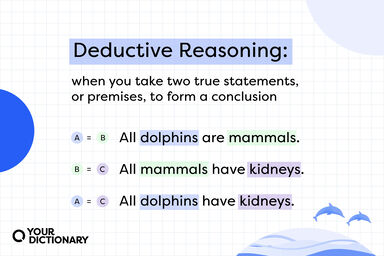
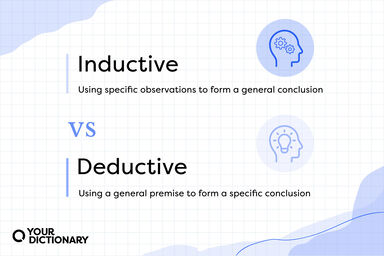
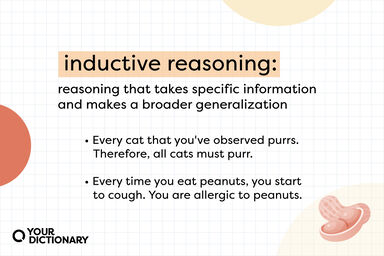
To think coherently and logically; draw inferences or conclusions from facts known or assumed.
Webster's New World
To argue, conclude, or infer.
Webster's New World
To think logically about; think out systematically; analyze.
Webster's New World
To argue or talk in a logical way.
Webster's New World
To persuade or bring by reasoning (into or out of)
Webster's New World
Synonyms:
idiom
by reason of
- Because of.
American Heritage
in reason
- With good sense or justification; reasonably.
American Heritage
within reason
- Within the bounds of good sense or practicality.
American Heritage
with reason
- With good cause; justifiably.
American Heritage
by reason of
- because of
Webster's New World
Idioms, Phrasal Verbs Related to Reason
- by reason of
- in reason
- within reason
- with reason
- by reason of
- in reason
- out of all reason
- with reason
Origin of Reason
-
Middle English from Old French raison from Latin ratiō ratiōn- from ratus past participle of rērī to consider, think ar- in Indo-European roots
From American Heritage Dictionary of the English Language, 5th Edition
-
From Anglo-Norman raisun (Old French raison), from Latin rationem, an accusative of ratio, from ratus, past participle of reor (“think").
From Wiktionary


Find Similar Words
Find similar words to reason using the buttons below.