pound

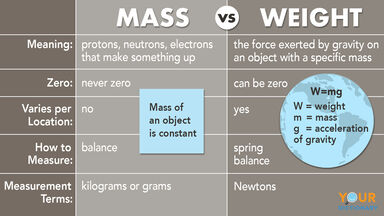
Pound is defined as the basic unit for weight in the Foot Pound Second (F.P.S) system and is equal to 16 ounces.

(noun)

  1. An example of a pound is a man weighing 186 pounds.
  2. An example of a pound is purchasing 3 pounds of lemons.

Pound means to repeatedly strike with force.

(verb)

An example of to pound is to tenderize meat with a mallet.

The definition of a pound is the shortened version of pound sterling, the basic monetary unit in the United Kingdom.

(noun)

An example of a pound is the 5 pounds it would cost to purchase a jar of orange marmalade at Harrods department store in London.

YourDictionary definition and usage example. Copyright © 2013 by LoveToKnow Corp.

See pound in Webster's New World College Dictionary

noun pl. pounds, pound

    1. the basic unit of weight in the FPS system, equal to l6 ounces avoirdupois (453.59237 grams)
    2. a unit of weight equal to 12 ounces troy or 12 ounces apothecaries' (373.2418 grams)
  1. the basic monetary unit of the United Kingdom, equal to 100 (new) pennies: before 1971 a pound was equal to 20 shillings or 240 pennies: symbol, £ (see libra, )
  2. any of the basic monetary units of various countries, as Egypt, Lebanon, and Syria
  3. a former Scottish monetary unit (), originally equal to the British pound
  4. Bible mina

Origin: ME < OE pund, akin to Ger pfund: WGmc loanword < L pondo, a pound, orig. abl. of pondus, weight (in libra pondo, a pound in weight), akin to pendere: see pendant

transitive verb

  1. to beat to a pulp, powder, etc.; pulverize
  2. to strike or drive with repeated, heavy blows
  3. to make by pounding
  4. to force or impose: pound sense into him

Origin: altered (with unhistoric -d) < ME pownen < OE punian, akin to Du puin, rubbish

intransitive verb

  1. to deliver repeated, heavy blows (at or on a door, etc.)
  2. to move with heavy steps or come down heavily while moving
  3. to beat heavily; throb

noun

  1. the act of pounding
  2. a hard blow
  3. the sound of this; thud; thump

noun

  1. an enclosure, maintained as by a town, for confining stray animals until claimed
  2. an enclosure for keeping or sheltering animals
  3. an enclosure for trapping animals
  4. a place of confinement, as for arrested persons
  5. an enclosed area for catching or keeping fish, esp. the inner section of a pound net

Origin: ME poonde < OE pund- (in comp.), akin to pyndan, to shut up

transitive verb

Archaic to confine in a pound

  1. Pound, Ezra (Loomis) 1885-1972; U.S. poet, in Italy (1924-45; 1958-72)
  2. Pound, Roscoe 1870-1964; U.S. educator & legal scholar

See pound in American Heritage Dictionary 4

noun
  1. Abbr. lb.
    a. A unit of weight equal to 16 ounces (453.592 grams).
    b. A unit of apothecary weight equal to 12 ounces (373.242 grams). See Table at measurement.
  2. A unit of weight differing in various countries and times.
  3. A British unit of force equal to the weight of a standard one-pound mass where the local acceleration of gravity is 9.817 meters (32.174 feet) per second per second.
  4. a. The basic monetary unit of the United Kingdom, worth 20 shillings or 240 old pence before the decimalization of 1971. Also called pound sterling.
    b. See Table at currency.
  5. The primary unit of currency in Ireland before the adoption of the euro.
  6. A monetary unit of Scotland before the Act of Union (1707). Also called pound scots.
  7. The pound key on a telephone.

Origin:

Origin: Middle English

Origin: , from Old English pund

Origin: , from West Germanic *punda-

Origin: , from Latin (lībra) pondō, (a pound) by weight; see (s)pen- in Indo-European roots

.

verb pound·ed, pound·ing, pounds pounds
verb, transitive
  1. To strike repeatedly and forcefully. See Synonyms at beat.
  2. To beat to a powder or pulp; pulverize or crush.
  3. To instill by persistent, emphatic repetition: pounded knowledge into the students' heads.
  4. To assault with heavy gunfire.
verb, intransitive
  1. To strike vigorous, repeated blows: He pounded on the table.
  2. To move along heavily and noisily: The children pounded up the stairs.
  3. To pulsate rapidly and heavily; throb: My heart pounded.
  4. To move or work laboriously: a ship that pounded through heavy seas.
noun
  1. A heavy blow.
  2. The sound of a heavy blow; a thump.
  3. The act of pounding.

Origin:

Origin: Middle English pounden

Origin: , alteration of pounen

Origin: , from Old English pūnian

.

Related Forms:

  • poundˈer noun

noun
  1. A public enclosure for the confinement of stray dogs or livestock.
  2. A place in which impounded property is held until redeemed.
  3. An enclosure in which animals or fish are trapped or kept.
  4. A place of confinement for lawbreakers.
transitive verb pound·ed, pound·ing, pounds pounds
To confine in or as if in a pound; impound.

Origin:

Origin: Middle English

Origin: , from Old English pund-, enclosure (as in pundfall, pen)

.

American writer who exerted great influence on the development of modern literature through his poetic works, such as the unfinished Cantos (1925-1960), his critical works, including ABC of Reading (1934), his voluminous contributions to literary magazines, and his tutelage of writers such as T.S. Eliot, James Joyce, and Ernest Hemingway.

, Roscoe 1870-1964.

American jurist who was dean of Harvard Law School (1916-1936) and wrote several influential books, including The Spirit of the Common Law (1921).

Learn more about pound

link/cite print suggestion box