noise

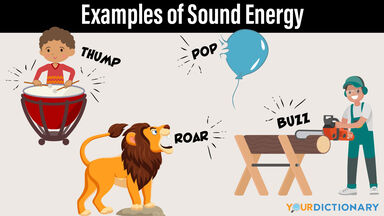
Noise is defined as a sound, especially a loud one.

(noun)

An example of a noise is the sound of fireworks.

To noise is defined as to tell rumors or spread information around.

(verb)

An example of to noise is to gossip around town.

YourDictionary definition and usage example. Copyright © 2013 by LoveToKnow Corp.

See noise in Webster's New World College Dictionary

noun

    1. loud or confused shouting; din of voices; clamor
    2. any loud, discordant, or disagreeable sound or sounds
  1. a sound of any kind: the noise of the rain
  2. Informal
    1. gossip; rumor; scandal
    2. a protest or accusation
    3. something that draws public notice
  3. Electronics any unwanted electrical signal, esp. within a communication system, that interferes with the sound or image being communicated

Origin: ME < OFr, noise, quarreling, clamor < L nausea: see nausea

transitive verb noised, noising

to spread about (a report, rumor, etc.): usually with about, around, abroad, etc.

intransitive verb

  1. to talk much or loudly
  2. to make noise or a noise

See noise in American Heritage Dictionary 4

noun
  1. a. Sound or a sound that is loud, unpleasant, unexpected, or undesired.
    b. Sound or a sound of any kind: The only noise was the wind in the pines.
  2. A loud outcry or commotion: the noise of the mob; a lot of noise over the new law.
  3. Physics A disturbance, especially a random and persistent disturbance, that obscures or reduces the clarity of a signal.
  4. Computer Science Irrelevant or meaningless data.
  5. Informal
    a. A complaint or protest.
    b. Rumor; talk.
    c. noises Remarks or actions intended to convey a specific impression or to attract attention: “The U.S. is making appropriately friendly noises to the new Socialist Government” (Flora Lewis).
verb noised noised, nois·ing, nois·es
verb, transitive
To spread the rumor or report of.
verb, intransitive
  1. To talk much or volubly.
  2. To be noisy; make noise.

Origin:

Origin: Middle English

Origin: , from Old French

Origin: , perhaps from Vulgar Latin *nausea, discomfort

Origin: , from Latin nausea, seasickness; see nausea

.

Word History: Those who find that too much noise makes them ill will not be surprised that the word noise can possibly be traced back to the Latin word nausea, “seasickness, feeling of sickness.” Our words nausea and noise are doublets, that is, words borrowed in different forms from the same word. Nausea, first recorded probably before 1425, was borrowed directly from Latin. Noise, first recorded around the beginning of the 13th century, came to us through Old French, which explains its change in form. Old French nois probably also came from Latin nausea, if, as seems possible, there was a change of sense during the Vulgar Latin period, whereby the meaning “seasickness” changed to a more general sense of “discomfort.” Word meanings can sometimes change for the better, and nowadays, of course, a noise does not have to be something unpleasant, as in the sentence “The only noise was the wind in the pines.”

Learn more about noise

noise

link/cite print suggestion box