brown

The definition of brown is something that is the color of mud, soil or dirt (a color made from mixing red, yellow and black), or someone who is sun-tanned or dark-skinned.

(adjective)

  1. The dirt in your vegetable garden at home is an example of something that would be described as being brown.
  2. A person who has just spent three weeks lying on a beach in Florida getting a suntan is an example of someone who would be described as brown.

Brown is defined as a color made from mixing red, black and yellow, or something of that color.

(noun)

  1. The color of dirt is an example of brown.
  2. If you are wearing a dress that is the color of dirt, this is an example of a time when you are wearing brown.

To brown is defined as to cook or bake something until it becomes brown.

(verb)

When you put chicken in a frying pan and you fry it until it turns brown instead of pink, this is an example of a time when you brown the chicken.

YourDictionary definition and usage example. Copyright © 2013 by LoveToKnow Corp.

See brown in Webster's New World College Dictionary

adjective

  1. having the color of chocolate or coffee, a combination of red, black, and yellow
  2. having a naturally dark or tanned skin; dark-skinned

Origin: ME broun < OE brun < IE base *bhrou-no- < *bher-, brown: see bear

noun

  1. brown color
  2. brown pigment or dye

transitive verb, intransitive verb

to make or become brown, esp. by exposure to sunlight, as in tanning, or to heat, as in cooking

Related Forms:

  1. Brown, Charles Brockden 1771-1810; U.S. novelist
  2. Brown, Herbert Charles 1912-2004; U.S. organic chemist, born in Great Britain
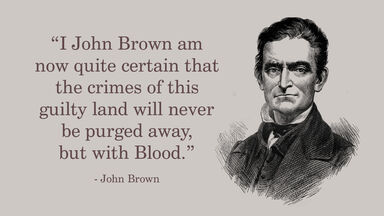
  3. Brown, John 1800-59; U.S. abolitionist: as part of a plan for an uprising among slaves, he led a raid on an arsenal at Harpers Ferry: hanged for treason
  4. Brown, Lancelot (also called Capability Brown) 1715?-83; Eng. landscape artist

See brown in American Heritage Dictionary 4

noun
Any of a group of colors between red and yellow in hue that are medium to low in lightness and low to moderate in saturation.
adjective brown·er, brown·est
  1. Of the color brown.
  2. a. Having a brownish or dark skin color.
    b. Often Offensive Of or being a person of nonwhite origin.
  3. Deeply suntanned.
tr. & intr.v. browned, brown·ing, browns
  1. To make or become brown.
  2. To cook until brown.
Phrasal Verb: brown off Chiefly British Slang To make angry or irritated.

Origin:

Origin: Middle English

Origin: , from Old English brūn; see bher-2 in Indo-European roots

.

Related Forms:

  • brownˈish adjective
  • brownˈness noun

American writer and editor who is considered America's first professional novelist. Brown is best known for his Gothic romances, such as Wieland (1798), Ormund (1799), and Jane Talbot (1801).

, Clifford Known as “Brownie.” 1930-1956.

American jazz trumpeter whose work, especially as a member of the quintet he formed with Max Roach (1954-1956), influenced jazz improvisation and bop styles.

, Herbert Charles 1912-2004.

British-born American chemist. He shared a 1979 Nobel Prize for discoveries in the chemistry of boron and phosphorus.

, James 1933-2006.

American singer. First popular in the 1950s with hits like “Please, Please, Please,” he is often called the “Godfather of Soul.”

, James Nathaniel Known as “Jim.” Born 1936.

American football player. A running back with the Cleveland Browns (1957-1971), he led the National Football League in rushing for eight of his nine seasons and is listed as one of the NFL all-time rushing leaders.

, John 1800-1859.

American abolitionist. In 1859 Brown and 21 followers captured the U.S. arsenal at Harper's Ferry as part of an effort to liberate Southern slaves. His group was defeated, and Brown was hanged after a trial in which he won sympathy as an abolitionist martyr.

, Margaret Wise 1910-1952.

American author of children's picture books, including the Noisy Book series (1939) and Goodnight Moon (1947).

, Olympia 1835-1926.

American Universalist minister and suffragist who was the first woman in the United States to be ordained in the ministry of an established denomination (1863).

, Robert 1773-1858.

British botanist who made an extensive collection of plants during a voyage to Australia. His observation of the irregular movement of pollen grains suspended in water led to the concept known as Brownian motion.

Learn more about brown

brown

link/cite print suggestion box