Several Definition
sĕvər-əl, sĕvrəl
adjective
Different; respective.
Parted and went their several ways.
Webster's New World
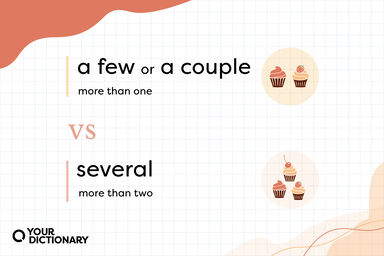
More than two but not many; of an indefinite but small number; few.
Webster's New World
Existing apart; separate; distinct; individual.
Webster's New World
Regarded as separate, especially with regard to tort liability or legal obligation, such that each individual involved is fully responsible for the liability or obligation.
American Heritage
Quite a few; many.
Webster's New World
Synonyms:
Antonyms:
pronoun
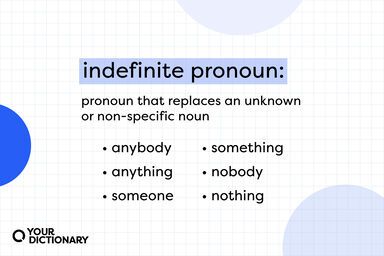
Several persons or things; a few.
Webster's New World
An indefinite but small number; some or a few.
Several of the workers went home sick.
American Heritage
noun
An indefinite but small number (of persons or things)
Webster's New World
Each particular taken singly; an item; a detail; an individual.
Wiktionary
Synonyms:
- quite a variety
- quite a number
- a small number
- a minority
- different ones
- quite-a-few
- not too many
- various ones
determiner
Separate, distinct; particular. [15th-19th century]
Wiktionary
Consisting of a number more than two or three but not very many; diverse. [from 17th century]
Wiktionary
adverb
By itself; severally.
Wiktionary
Other Word Forms of Several
Noun
Singular:
severalPlural:
severalsOrigin of Several
-
Middle English separate from Anglo-Norman from Medieval Latin sēparālis, sēperālis from Latin sēpar from sēparāre to separate separate
From American Heritage Dictionary of the English Language, 5th Edition
-
From Anglo-Norman several, from Medieval Latin sÄ“parālis, from Latin sÄ“par (“separate").
From Wiktionary


Find Similar Words
Find similar words to several using the buttons below.