Castle Definition
kăsəl
castled, castles, castling
noun
castles
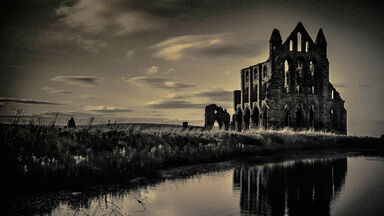
A large building or group of buildings fortified with thick walls, battlements, and often a moat; castles were the strongholds of noblemen in the Middle Ages.
Webster's New World
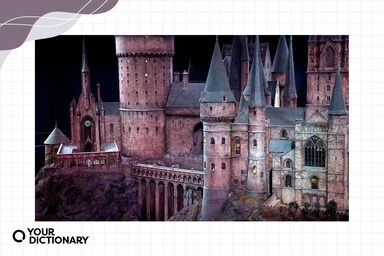
A large ornate building similar to or resembling a fortified stronghold.
American Heritage
Any massive dwelling somewhat like this.
Webster's New World
A place of privacy, security, or refuge.
American Heritage
Webster's New World
verb
castled, castles, castling
To put into, or furnish with, a castle.
Webster's New World
To castle a king.
Webster's New World
To move (a king) two squares to either side and then, in the same move, set the castle in the square skipped by the king: permitted only when neither piece has been moved before and the spaces between them are not occupied.
Webster's New World
To move (the king in chess) by castling.
American Heritage
pronoun
A surname.
Wiktionary
Other Word Forms of Castle
Noun
Singular:
castlePlural:
castlesOrigin of Castle
-
Middle English castel from Old English and from Norman French both from Latin castellum diminutive of castrum kes- in Indo-European roots
From American Heritage Dictionary of the English Language, 5th Edition


Find Similar Words
Find similar words to castle using the buttons below.