yet

Yet means at this time, up to now or at a future time.

(adverb)

  1. An example of yet is someone not getting to take a walk before dark, such as "It is dark but he has not taken his walk yet."
  2. An example of yet is someone possibly getting to take a walk after dark, such as "He might yet get to take his walk after dark."

Yet is defined as nevertheless or but.

(conjunction)

An example of yet is although a hiker has back pain they continue their hike up Mount Everest.

YourDictionary definition and usage example. Copyright © 2013 by LoveToKnow Corp.

See yet in Webster's New World College Dictionary

adverb

  1. up to now or the time specified; thus far: he hasn't gone yet
  2. at the present time; now: we can't leave just yet
  3. still; even now; in the time still remaining: there is yet a chance for peace
  4. at some future time; sooner or later: she will thank you yet
  5. now or at a particular time, implying continuance from a preceding time: we could hear him yet
  6. in addition; further; still; even: usually with a comparative: he was yet more kind
  7. as much as; even: he did not come, nor yet write
  8. now, after all the time has elapsed: hasn't he finished yet?
  9. nevertheless: she is comfortable, yet lonely

Origin: ME yit < OE giet, gieta, akin to OFris ieta

conjunction

but; regardless of this: she seems happy, yet she is troubled

See yet in American Heritage Dictionary 4

adverb
  1. At this time; for the present: isn't ready yet.
  2. Up to a specified time; thus far: The end had not yet come.
  3. At a future time; eventually: may yet change his mind.
  4. Besides; in addition: returned for yet another helping.
  5. Still more; even: a yet sadder tale.
  6. Nevertheless: young yet wise.
conjunction
And despite this; nevertheless: She said she would be late, yet she arrived on time.

Origin:

Origin: Middle English

Origin: , from Old English gīet; see i- in Indo-European roots

.

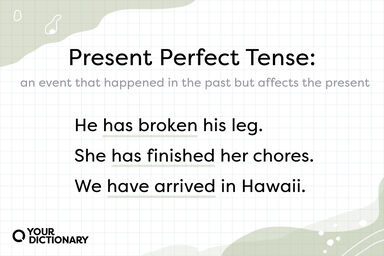
Usage Note: In formal writing, yet in the sense “up to now” is normally used with an accompanying verb in the present perfect rather than in the simple past. Thus, one would say He hasn't started yet, not He didn't start yet. The use of yet with the simple past is common in speech and may be appropriate for informal writing.

Learn more about yet

link/cite print suggestion box