copper

Copper is defined as a metallic element that is malleable, stretchable and reddish-brown or something of this color/metal.

Facts About Copper

  • Until 1982, pennies were 95% copper; but after that, they have been made of a zinc alloy that is coated with copper, leaving the copper penny with only 2.6% copper. Nickels are 75% copper. Dimes, quarters, and half dollars are 91.67% copper.
  • The use of copper goes back at least 10,000 years, making it our oldest metal.
  • The Statue of Liberty contains 179,000 pounds of copper. It stands up to harsh weather and winds from the ocean and is still beautiful and intact.
  • Copper’s abbreviation is CU for the Latin word "cuprum" and its atomic number is 29.
  • Its electron structure is very similar to that of gold and silver.
  • Copper is soft and malleable, meaning it can be shaped or hammered easily.
  • Copper is peachy-bronze in color. When it oxidizes, copper turns brown (as is the case with an older penny). The brown layer is copper oxide.
  • The copper oxide will then react with water or air and form a layer of green material called a "patina" on the metal to protect the metal. The Statue of Liberty, a notable landmark of the United States, is a statue made out of copper that has oxidized.
  • It is long lasting and is strong enough to be formed into wires.
  • It conducts heat and electricity better than any other metal except for silver and is a part of many metal alloys.
  • It is so versatile that it has been called man’s eternal metal.
  • Sources of copper include chalcosite, chalcopyrite, cuprite, and azurite.
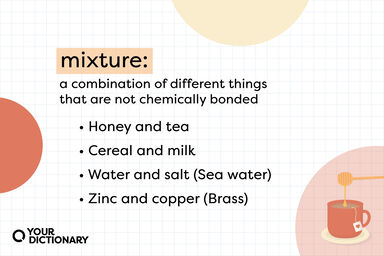
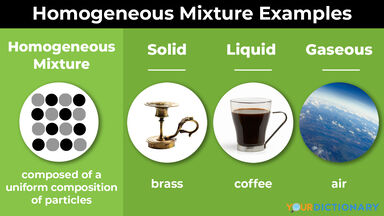
  • If it is alloyed with zinc, brass is formed. If it is alloyed with tin, bronze is formed.
  • Copper is essential in trace amounts in the human body to keep tissues, the heart, the immune system, and the nervous system healthy and to help the body use iron.
  • Copper is antibacterial, so brass fixtures and fingerplates help prevent the spread of disease.
  • Any tools that are made from copper or copper alloy will not spark; so, these are used in places where a spark would cause a fire or explosion.
  • Copper is recyclable and does not lose any of its properties during the process. Half of the copper used every year comes from recycled copper.
(noun)

An example of copper is the material that makes up a penny.

The definition of copper is of a reddish-brown, stretchable and metallic element, or something that is reddish-brown in color.

(adjective)

An example of copper used as an adjective is in the phrase "copper hair," which means reddish-brownish hair.

Copper means to cover with a reddish-brown, malleable and stretchable metallic element.

(verb)

An example of copper is to dip a statue in melted copper.

YourDictionary definition and usage example. Copyright © 2013 by LoveToKnow Corp.

See copper in Webster's New World College Dictionary

noun pl. copper or coppers

  1. a reddish-brown, malleable, ductile, metallic element that is corrosion-resistant and an excellent conductor of electricity and heat: symbol, Cu; at. no., 29
  2. Now Chiefly Brit.
    1. a coin of copper or bronze, as a penny
    2. a large metal container or boiler, orig. of copper
  3. the color of copper; reddish brown
  4. any of various small, copper-colored butterflies (family Lycaenidae) found in temperate regions

Origin: ME & OE coper < LL cuprum, contr. < Cyprium (aes), Cyprian (brass), copper, after Gr Kyprios, Cyprus, noted for its copper mines

adjective

  1. of copper
  2. copper-colored; reddish-brown

transitive verb

  1. to cover or coat with copper
  2. Origin: from use of a copper coin to indicate such a bet in faro

    Slang to bet against (another's bet)

Related Forms:

noun

Slang a policeman

Origin: prob. < cop

See copper in American Heritage Dictionary 4

noun
  1. Symbol Cu A ductile, malleable, reddish-brown metallic element that is an excellent conductor of heat and electricity and is widely used for electrical wiring, water piping, and corrosion-resistant parts, either pure or in alloys such as brass and bronze. Atomic number 29; atomic weight 63.54; melting point 1,083°C; boiling point 2,595°C; specific gravity 8.96; valence 1, 2. See Table at element.
  2. A coin, usually of small denomination, made of copper or a copper alloy.
  3. Chiefly British A large cooking pot made of copper or often of iron.
  4. Any of various small butterflies of the subfamily Lycaeninae, having predominantly copper-colored wings.
  5. A reddish brown.
transitive verb cop·pered, cop·per·ing, cop·pers
  1. To coat or finish with a layer of copper.
  2. Slang To bet against, as in faro.

Origin:

Origin: Middle English coper

Origin: , from Old English

Origin: , from Late Latin cuprum

Origin: , from Latin Cyprium (aes), Cyprian (metal)

Origin: , from Cyprius, of Cyprus

Origin: , from Greek Kuprios

Origin: , from Kupros, Cyprus

.

Related Forms:

  • copˈper·y adjective

noun
Slang
A police officer.

Origin:

Origin: From cop2

.

Learn more about copper

Related Articles

link/cite print suggestion box