tooth

The definition of a tooth is the hard, small, white parts covered in enamel and set in the jaw or something that resembles them in structure or function.

(noun)

  1. An example of a tooth is the tool in the mouth used to bite and chew.
  2. An example of a tooth is one of the long, fine ends of a comb.

YourDictionary definition and usage example. Copyright © 2013 by LoveToKnow Corp.

See tooth in Webster's New World College Dictionary

noun pl. teeth

    1. any of a set of hard, bonelike structures set in the jaws of most vertebrates and used for biting, tearing, and chewing: a tooth consists typically of a sensitive, vascular pulp surrounded by dentin and coated on the crown with enamel and on the root with cementum: normally 32 are in the permanent set and 20 in the deciduous set of a human
    2. any of various analogous processes in invertebrates
    3. denture (sense )
  1. something resembling a tooth; toothlike part, as on a saw, fork, rake, gearwheel, etc.; tine, prong, cog, etc.
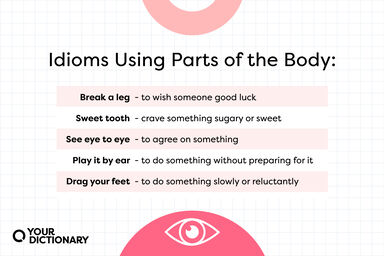
  2. appetite or taste for something specified: now only in sweet tooth
  3. something that bites, pierces, or gnaws like a tooth: the teeth of the storm
  4. a rough surface, as on paper, metal, etc.
  5. a sound or effective means of enforcing something: to put teeth into a law
  6. Bot. any small, pointed lobe, as of a leaf or of the fringe surrounding the opening of a capsule in mosses

Origin: ME < OE toth (< *tanth), akin to Ger zahn < IE *edont- (< base *ed-, to eat) > L dens (gen. dentis), Gr odous (gen. odontos)

transitive verb

  1. to provide with teeth
  2. to make jagged; indent

intransitive verb

to mesh, or become interlocked, as gears

Related Forms:

See tooth in American Heritage Dictionary 4

noun pl. teeth teeth (tēth)
  1. a. One of a set of hard, bonelike structures rooted in sockets in the jaws of vertebrates, typically composed of a core of soft pulp surrounded by a layer of hard dentin that is coated with cementum or enamel at the crown and used for biting or chewing food or as a means of attack or defense.
    b. A similar structure in invertebrates, such as one of the pointed denticles or ridges on the exoskeleton of an arthropod or the shell of a mollusk.
  2. A projecting part resembling a tooth in shape or function, as on a comb, gear, or saw.
  3. A small, notched projection along a margin, especially of a leaf. Also called dent2.
  4. A rough surface, as of paper or metal.
  5. a. Something that injures or destroys with force. Often used in the plural: the teeth of the blizzard.
    b. teeth Effective means of enforcement; muscle: “This . . . puts real teeth into something where there has been only lip service” (Ellen Convisser).
  6. Taste or appetite: She always had a sweet tooth.
verb (to͞oth, to͞oÞ) toothed, tooth·ing, tooths
verb, transitive
  1. To furnish (a tool, for example) with teeth.
  2. To make a jagged edge on.
verb, intransitive
To become interlocked; mesh.

Origin:

Origin: Middle English

Origin: , from Old English tōth; see dent- in Indo-European roots

.

Word History: Eating, biting, teeth, and dentists are related not only logically but etymologically; that is, the roots of the words eat, tooth, and dentist have a common origin. The Proto-Indo-European root *ed-, meaning “to eat” and the source of our word eat, originally meant “to bite.” A participial form of *ed- in this sense was *dent-, “biting,” which came to mean “tooth.” Our word tooth comes from *dont-, a form of *dent-, with sound changes that resulted in the Germanic word *tanthuz. This word became Old English tōth and Modern English tooth. Meanwhile the Proto-Indo-European form *dent- itself became in Latin dēns (stem dent-), “tooth,” from which is derived our word dentist. We find a descendant of another Proto-Indo-European form *(o)dont- in the word orthodontist.

(click for a larger image)

tooth

Learn more about tooth

Related Articles

tooth

link/cite print suggestion box