comparative

The definition of comparative is a comparison or an assessment of similarities and differences between two or more things.

(adjective)

An example of something that would be described as comparative is a report you write on the relative merits of one book over another, a comparative book report.

YourDictionary definition and usage example. Copyright © 2013 by LoveToKnow Corp.

See comparative in Webster's New World College Dictionary

adjective

  1. that compares; involving comparison as a method, esp. in a branch of study: comparative linguistics
  2. estimated by comparison with something else; relative: a comparative success
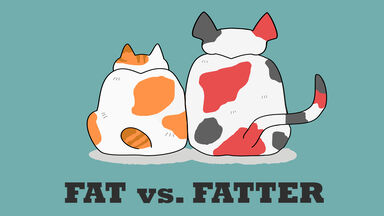
  3. Gram. designating or of the second degree of comparison of adjectives and adverbs; expressing a greater degree of a quality or attribute than that expressed in the positive degree: usually indicated by the suffix -er (harder) or by the use of more with the positive form (more honest)

Origin: ME < L comparativus

noun

  1. Obsolete a rival
  2. Gram.
    1. the comparative degree
    2. a word or form in this degree

Related Forms:

See comparative in American Heritage Dictionary 4

adjective
  1. a. Relating to, based on, or involving comparison.
    b. Of or relating to the scientific or historical comparison of different phenomena, institutions, or objects, such as languages, legal systems, or anatomical structures, in an effort to understand their origins or relationships.
  2. Estimated by comparison; relative: a comparative newcomer.
  3. Grammar Of, relating to, or being the intermediate degree of comparison of adjectives, as better, sweeter, or more wonderful, or adverbs, as more softly.
noun
Grammar
  1. The comparative degree.
  2. An adjective or adverb expressing the comparative degree.

Related Forms:

  • com·parˈa·tive·ly adverb
Our Living Language Speakers of vernacular dialects often use double comparatives and superlatives such as more higher and most fastest. Although such constructions may seem redundant or even illogical, in reality both standard and nonstandard varieties of all languages are replete with such constructions. In English the redundant comparative dates back to the 1500s. Prior to this, in Old and Middle English, suffixes, rather than a preceding more or most, almost always marked the comparative and superlative forms of adjectives and adverbs, regardless of word length. In the Early Modern English period (c. 1500-1800), more and most constructions became more common. The Modern English rule governing the distribution of -er/-est and more/most had not yet arisen, and such forms as eminenter, impudentest, and beautifullest occurred together with constructions like more near, most poor, and most foul. Double markings were commonly used to indicate special emphasis, and they do not appear to have been socially disfavored. In fact, even Shakespeare used double comparatives and superlatives, as in Mark Antony's statement “This was the most unkindest cut of all” from Julius Caesar. Nowadays, although double comparatives and superlatives are not considered standard usage, they are kept alive in vernacular dialects. See Notes at might2, plural, redundancy.

Learn more about comparative

Related Articles

link/cite print suggestion box