Mine Definition
mīn
mined, mines, mining
noun
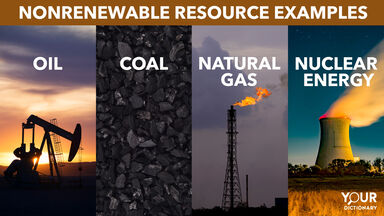
A large excavation made in the earth, from which to extract metallic ores, coal, precious stones, salt, or certain other minerals.
Webster's New World
A surface excavation where the topmost or exposed layer of earth is removed for extracting its ore or minerals.
American Heritage
The surface buildings, shafts, elevators, etc. of such an excavation.
Webster's New World
A deposit of ore, coal, etc.
Webster's New World
Any great source of supply.
A mine of information.
Webster's New World
verb
To dig in (the earth) for ores, coal, etc.
Webster's New World
To dig or remove (ores, coal, etc.) from the earth.
Webster's New World
To tunnel under (the earth or a surface feature).
American Heritage
To take from (a source)
Webster's New World
To dig a mine.
Webster's New World
Synonyms:
Antonyms:
pronoun
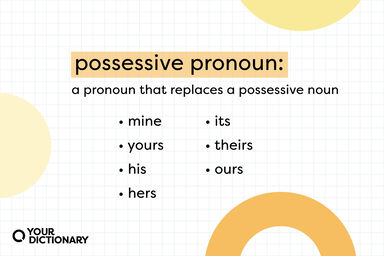
That or those belonging to me: the possessive form of I, used without a following noun, often after of.
That book is mine; mine are better; he is a friend of mine.
Webster's New World
adjective
Used instead of my before an initial vowel or the letter h.
American Heritage
My: used before a word beginning with a vowel or the letter h [mine eyes, mine honor]; also used after a noun in direct address.
Daughter mine.
Webster's New World
Origin of Mine
-
From Middle English, from Old French mine, from Late Latin mina, from Gaulish *mÄ“nā (“ore, mine"), akin to Welsh mwyn, Irish míanach (“ore").
From Wiktionary
Middle English from Old French from Vulgar Latin mīna probably of Celtic origin
From American Heritage Dictionary of the English Language, 5th Edition
-
Middle English from Old English mīn me-1 in Indo-European roots
From American Heritage Dictionary of the English Language, 5th Edition
-
From Wiktionary
Old English mīn.
From Wiktionary




Find Similar Words
Find similar words to mine using the buttons below.