noun- Great destruction resulting in the extensive loss of life, especially by fire.
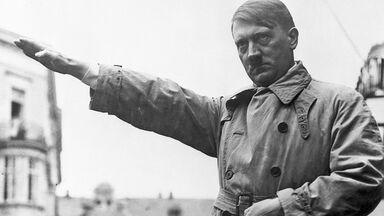
a. Holocaust The genocide of European Jews and others by the Nazis during World War II: “Israel emerged from the Holocaust and is defined in relation to that catastrophe” (Emanuel Litvinoff).
b. A massive slaughter: “an important document in the so-far sketchy annals of the Cambodian holocaust” (Rod Nordland).
- A sacrificial offering that is consumed entirely by flames.
Origin:
Origin: Middle English, burnt offering
Origin: , from Old French holocauste
Origin: , from Latin holocaustum
Origin: , from Greek holokauston
Origin: , from
Origin: neuter of holokaustos, burnt whole
Origin: : holo-, holo-
Origin: + kaustos, burnt (from kaiein, to burn)
.
Related Forms:
- holˌo·causˈtal, holˌo·causˈtic adjective
Usage Note: Holocaust has a secure place in the language when it refers to the massive destruction of humans by other humans. Ninety-nine percent of the Usage Panel accepts the use of
holocaust in the phrase
nuclear holocaust. Sixty percent of the Panel accepts the sentence
As many as two million people may have died in the holocaust that followed the Khmer Rouge takeover in Cambodia. But because of its associations with genocide, people may object to extended applications of
holocaust. When the word is used to refer to death brought about by natural causes, the percentage of the Panel accepting drops sharply. Only 31 percent of the Panel approves the sentence
In East Africa five years of drought have brought about a holocaust in which millions have died. In a 1987 survey, just 11 percent approved the use of
holocaust to summarize the effects of the AIDS epidemic. This suggests that other figurative usages such as
the huge losses in the Savings and Loan holocaust may be viewed as overblown or in poor taste. • When capitalized
Holocaust refers specifically to the destruction of Jews and other Europeans by the Nazis and may also encompass the Nazi persecution of Jews that preceded the outbreak of the war.
Word History: Totality of destruction has been central to the meaning of
holocaust since it first appeared in Middle English in the 14th century, used in reference to the biblical sacrifice in which a male animal was wholly burnt on the altar in worship of God.
Holocaust comes from Greek
holokauston (“that which is completely burnt”), which was a translation of Hebrew
‘ōlâ (literally “that which goes up,” that is, in smoke). In this sense of “burnt sacrifice,”
holocaust is still used in some versions of the Bible. In the 17th century the meaning of
holocaust broadened to “something totally consumed by fire,” and the word eventually was applied to fires of extreme destructiveness. In the 20th century
holocaust has taken on a variety of figurative meanings, summarizing the effects of war, rioting, storms, epidemic diseases, and even economic failures. Most of these usages arose after World War II, but it is unclear whether they permitted or resulted from the use of
holocaust in reference to the mass murder of European Jews and others by the Nazis. This application of the word occurred as early as 1942, but the phrase
the Holocaust did not become established until the late 1950s. Here it parallels and may have been influenced by another Hebrew word,
šô’â (“catastrophe,” in English,
Shoah). In the Bible
šô’â has a range of meanings including “personal ruin or devastation” and “a wasteland or desert.”
Šô’â was first used to refer to the Nazi slaughter of Jews in 1939, but the phrase
haš-šô’â (“the catastrophe”) became established only after World War II.
Holocaust has also been used to translate
ḥurbān (“destruction”), another Hebrew word used to summarize the genocide of Jews by the Nazis.