Which Definition
wĭch, hwĭch
pronoun
The one (or ones) that.
He knows which he wants.
Webster's New World
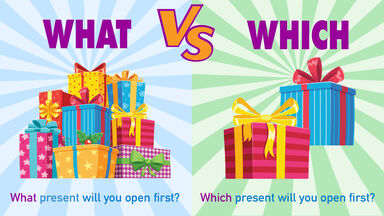
What one (or ones) of the number of persons, things, or events mentioned or implied?
Which of the men answered? which do you want?
Webster's New World
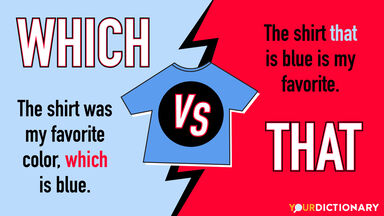
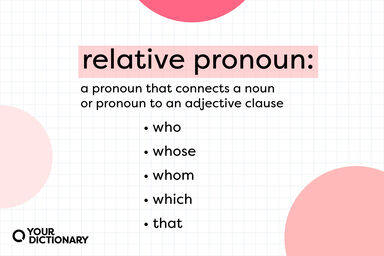
That: used as a relative referring to the thing, group, or event specified in the antecedent word, phrase, or clause: which can be used in a restrictive clause [the war which had just ended, the class to which he spoke], in a restrictive clause preceded by the pronoun that [he sacrificed that which he valued most], in a nonrestrictive clause [my car, which is not running; my family, in which she found a warm welcome], or, archaically, of a person [Our Father, which art in heaven]
Webster's New World
Either, or any, of the persons, things, or events previously mentioned or implied; whichever.
Take which you prefer.
Webster's New World
A thing or fact that.
You are late—which reminds me, where were you yesterday?
Webster's New World
adjective
What one or ones (of the number mentioned or implied)
Which man (or men) answered? which books did he choose?
Webster's New World
Any one or any number of; whichever.
Use which door you please.
American Heritage
Whatever; no matter what.
Try which method he pleased, he could not succeed.
Webster's New World
Being the one just mentioned.
He is very old, which fact is important.
Webster's New World
determiner
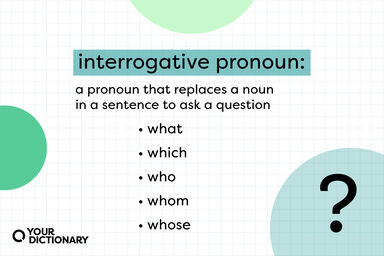
What, of those mentioned or implied (used interrogatively).
Which song made the charts?
Wiktionary
(interrogative) What one or ones (of those mentioned or implied).
Which is bigger?; which is which?
Wiktionary
(relative) The one or ones that.
Show me which one is bigger; they couldn't decide which song to play.
Wiktionary
(relative) The one or ones mentioned.
For several seconds he sat in silence, during which time the tea and sandwiches arrived.
I'm thinking of getting a new car, in which case I'd get a red one.
Wiktionary
(now dialectal) Used of people (now generally who, whom or that).
Wiktionary
Other Word Forms of Which
Noun
Singular:
whichPlural:
whichesOrigin of Which
-
Old English hwilc, from Proto-Germanic *hwilīkaz, derived from *hwaz. Cognates include German welcher, Dutch welk and Old Norse hvílíkr.
From Wiktionary
-
Middle English from Old English hwilc kwo- in Indo-European roots
From American Heritage Dictionary of the English Language, 5th Edition

Find Similar Words
Find similar words to which using the buttons below.