Magnitude Definition
măgnĭ-to͝od, -tyo͝od
noun
Greatness.
Webster's New World
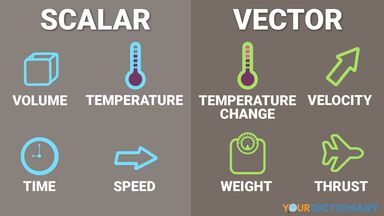
Size or measurable quantity.
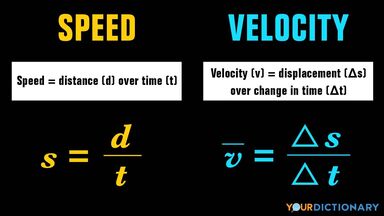
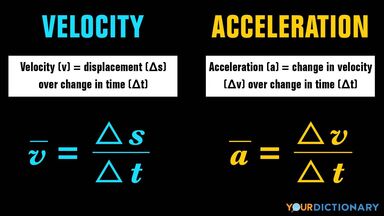
The magnitude of a velocity.
Webster's New World
Loudness (of sound)
Webster's New World
Importance or influence.
Webster's New World
A number representing the apparent brightness of a celestial body: originally a number in a scale of values 1-6 and applied only to objects (excluding the sun and moon) visible to the naked eye, with the brightest stars at c. 1.5 (1 is the first magnitude) and stars at c. 6 (sixth magnitude) being barely visible, the scale now includes the sun (at −26.7) and moon (c. −12.7 when full) as well as the faintest objects visible telescopically (c. 36): each increase of one magnitude represents an increase of 2.512 times the brightness.
Webster's New World
Synonyms:
Other Word Forms of Magnitude
Noun
Singular:
magnitudePlural:
magnitudesIdioms, Phrasal Verbs Related to Magnitude
- of the first magnitude

Find Similar Words
Find similar words to magnitude using the buttons below.