concentration Hear it!

concentration Definition

con·cen·tra·tion (kän′sən trās̸hən)

noun

  1. a concentrating or being concentrated
  2. close or fixed attention
  3. strength or density, as of a solution
  4. a concentrated substance

Etymology: ML concentratio

concentration Synonyms

concentration

n.

  1. The act of bringing together

    assembly, consolidation, convergence, collection, combination, massing, amassing, compression, coalescing, compacting, congregation, gathering, flocking, huddling, clustering, fixing, centering, focusing, intensification; see also collection 1.

    Antonyms dispersal, separation*, scattering. *

  2. Anything brought together

    company, concourse, audience, miscellany, band, party, flock, herd, mass, group, array; see also army 2, collection 2, crowd 1.

  3. Attention

    close attention, application, absorption; see attention 1, 2, thought 1.

  4. Density

    solidity, consistency, frequency, strength; see congestion, density 1, intensity 1.

concentration Usage Examples

Preposition: of

  • dioxin: The concentrations of dioxins found in the 1995 samples are lower than those found in the 1990 pooled retail samples.
  • pollutant: Concentrations of both pollutants, but particularly black smoke, are typically higher in the winter months ( October to March ).
  • reactant: The rate of a reaction is defined as the rate of change of the concentration of reactants or products with time.
  • ion: The concentration of the hydrogen ions in solution is also important.
  • nitrate: There are high concentrations of nitrates in the local groundwater, especially to the northeast of Canterbury ( in the Thanet area ).

Adjective modifier

  • atmospheric: The current increase in atmospheric concentration of CO 2 is considered to be one of the most important long-term changes occurring on this planet.
  • elevated: In general, contaminant inputs have declined and elevated concentrations are often a legacy of former industrial discharges.
  • high: However, high concentrations or extended periods of exposure can have serious health effects.
  • intracellular: The strategy is based on the latest research that suggests creatine's benefits are proportional to intracellular creatine concentrations [ 13 ] .
  • intense: Thus, one of the noticeable changes from six years ago is the more intense concentration on youth work.

Modifies a noun

  • camp: We were told of the way corpses in concentration camps were layered up with logs, then the whole lot set alight.
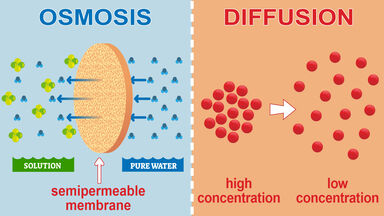
  • gradient: The diffusion stops where there is no concentration gradient existing.
  • inmate: The use of concentration camp inmates was not of economic significance to the war effort in the first years of the war.
  • span: Iâm always planning an exit, because I have the concentration span of a flea and I get bored after five years.

Noun used with modifier

  • plasma: With the syrup, mean peak plasma concentrations are attained within 2 hours.
  • serum: Several prognostic factors and serum rituximab concentrations are useful for predicting the therapeutic efficacy.
  • nitrate: Nitrate concentrations were highest in green vegetables and potatoes.
  • ozone: However, 50 % reductions in North America or Asia will produce a larger impact in mean ozone concentrations.
  • glucose: The rate of formation of HbA 1c is proportional to the blood glucose concentration.
  • hemoglobin: In the survey, 3 % of men and 8 % of women had a hemoglobin concentration below these limits indicating anemia.