legume Hear it!

legume Definition

leg·ume (legyo̵̅o̅m′, li gyo̵̅o̅m)

noun

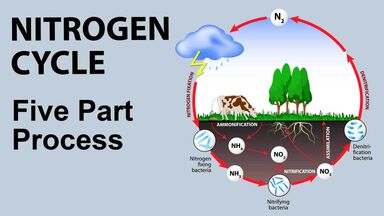
  1. any of an order (Fabales) of dicotyledonous herbs, shrubs, and trees, including the peas, beans, mimosas, and the Kentucky coffee tree, with usually compound leaves, flowers having a single carpel, and fruit that is a dry pod splitting along two sutures: many legumes are nitrogen-fixing and often are used as green manure and for forage
  2. the pod or seed of some members of this order, used for food

Etymology: Fr légume < L legumen, lit., anything that can be gathered < legere, to gather: see logic

legume Synonyms

legume

n.

pea, fruit, pod; see bean 1, plant, vegetable.

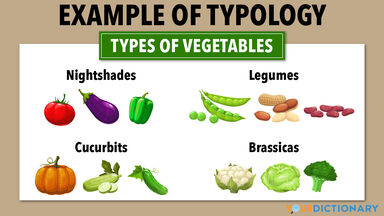
Legumes include: pea, bean, lentil, chick pea, garbanzo, peanut, clover, alfalfa, lucerne, soybean, vetch, pulse.

legume Usage Examples

Converse of object

  • include: The results of the study emphasize the importance of including legumes in a balanced diet as a way of preventing heart disease.
  • grow: More reactive N is being released into the global environment by burning fossil fuels, applying fertilizers and growing legumes than by natural processes.
  • eat: And we eat a lot of legumes, and we cannot eat legumes without olive oil.
  • cultivate: Probably the first cultivated legume, sometimes linked with wheat and barley, which may have been domesticated at around the same time.
  • plant: But planting forage legumes instead has the potential to give a major boost to productivity.

Adjective modifier

  • other: However, peas, like any other legume, contain substances that are not desirable for an infant formula.
  • annual: But earlier sowing of crops put pressure on seed set of sub clover, leading to its replacement by other self-regenerating annual legumes.
  • important: White clover has been an important constituent of fodder since the 17th century and is the most important pasture legume in Britain.
  • more: The gains in cereal production often came at the expense of cultivation of more nutritious legumes, root crops and other grains.

Modifies a noun

  • crop: Field beans and peas are the main grain legume crops in the UK with, between them, around 250,000 ha grown.
  • seed: Collect small samples of three oil seeds and three legume seeds.
  • specie: Additional trials will be started in spring 2003 to look at a range of novel legume species.
  • family: Lupin, like peas, beans, chick peas and peanuts is a member of the legume family.
  • plant: The other important aspect is the signaling system by which the bacteria and legume plant can recognize each other.
  • system: Energy inputs for the organic animal and organic legume systems were 28 percent and 32 percent less.

Noun used with modifier

  • forage: The forage legumes, key to producing soil fertility, are particularly well utilized by the cattle.
  • fodder: The rice-wheat rotation has led to the displacement of grain and fodder legumes capable of enriching soil fertility.
  • grain: Field beans and peas are the main grain legume crops in the UK with, between them, around 250,000 ha grown.
  • pasture: Crop and pasture legume suitability varied with soil type, so regional diversity was more readily apparent.
  • nitrogen-fixing: Hippocrepis comosa is a nitrogen-fixing legume and prefers soils that are deficient in nitrogen.