YourDictionary

averaging

Variant of average

noun

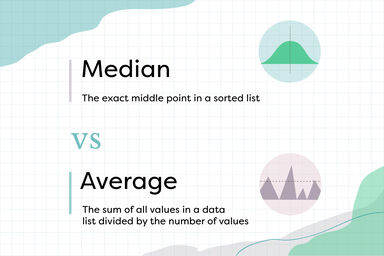
  1. the numerical result obtained by dividing the sum of two or more quantities by the number of quantities; an arithmetic mean
    1. grade-point average
    2. an approximation of this: an average of C in French
  2. usual or normal kind, amount, quality, rate, etc.: an intelligence above the average
  3. a number or value of a set of values carefully defined to typify the set, as a median or mode
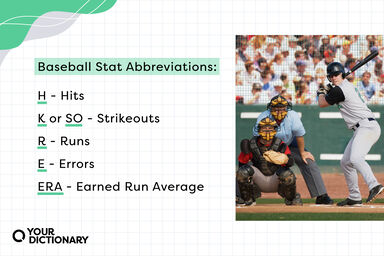
  4. batting average
  5. Maritime Law
    1. a loss incurred by damage to a ship at sea or to its cargo
    2. an incurring of such loss
    3. the equitable division of such loss among the interested parties
    4. a charge arising from such loss
    5. any of various small charges paid by the master of a ship, as for pilotage or towage

adjective

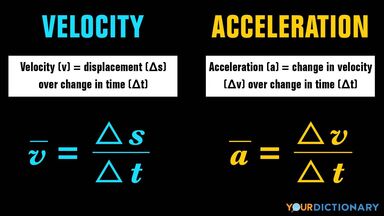
  1. constituting an average: the average speed is high
  2. intermediate in value, rate, etc.; hence, normal or ordinary: an average student

intransitive verb averaged, averaging

  1. to be or amount to on an average: the children average six years of age
  2. to buy or sell additional fixed amounts, as of shares of stock, at lower or higher prices over time so as to get a better average price: usually with down or up
  3. to invest, as in shares of stock, fixed amounts of money at regular intervals so as to buy more at lower prices and less at higher prices: usually in phrase dollar (cost) averaging

transitive verb

  1. to calculate the average or mean of
  2. to do, take, etc. on an average: to average six hours of sleep a night
  3. to divide proportionately among more than two: they averaged the loss among themselves

Webster's New World College Dictionary Copyright © 2010 by Wiley Publishing, Inc., Cleveland, Ohio. Used by arrangement with John Wiley & Sons, Inc.

Learn more about averaging

link/cite print suggestion box