abolitionist Hear it!

abolitionist Definition

abo·li·tion·ist (-ist)

noun

  1. a person in favor of abolishing some law, custom, etc.
  2. one who favored the abolition of slavery in the U.S.

abolitionist Related Forms
ab′o·li·tion·ism′ noun
abolitionist Usage Examples

Converse of object

  • become: Alexander became an abolitionist and he is mentioned in the submissions to the Parliamentary Committee for the abolition for the slave trade.

Converse of subject

  • respect: She was well known here in Chester County and Philadelphia, and respected by all true abolitionists.

Adjective modifier

  • American: Professor David Turley: British and American abolitionists; representations of Lincoln; African-American critiques of racism.
  • other: Other abolitionists told him his vote in the House was worth twenty.
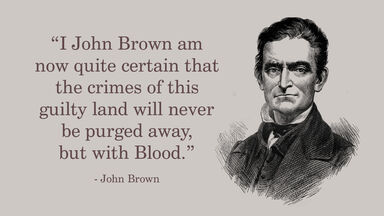
  • black: The black abolitionists had respect for Brown but thought the plan lunacy.
  • prominent: With the support of Gerrit Smith and other prominent Abolitionists, Brown moved to Virginia where he established a refuge for runaway slaves.
  • white: Such works went beyond white abolitionists, arguing for race consciousness.
  • northern: The novel exposes the evils of racism both in the South and among white, northern abolitionists.

Modifies a noun

  • movement: Such an attack, however, was forthcoming in the shape of the northern Abolitionist movement.
  • cause: Much of this book focuses on the abolitionist cause abroad.
  • campaign: Another tactic employed by the abolitionist campaign was the boycott of West Indian slave-grown sugar.
  • view: His first job as a minister in Washington, D.C. was short-lived because his abolitionist views clashed with those of his congregation.
  • ban: All abolitionist bans protect at least some animals from some form of exploitation.
  • propaganda: Published in 1788 by the London Committee for the Abolition of the Slave Trade, it was the first piece of published abolitionist propaganda.

Noun used with modifier

  • slavery: Slavery abolitionist Thomas Clarkson rested on the road on his journey from London to Cambridge in 1785.
  • slave: An anonymous pamphlet of 1792 which plays on British fears of the popular uprisings in France to link slave trade abolitionists with French Jacobins.
  • trade: An anonymous pamphlet of 1792 which plays on British fears of the popular uprisings in France to link slave trade abolitionists with French Jacobins.

Preposition: of

  • century: It is the same public spirit which drove the abolitionists of the 19th century and the Progressive movement of the early 20th century.