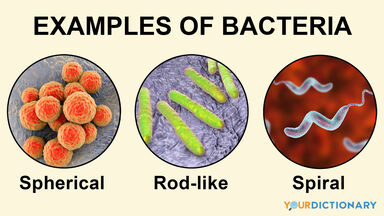
Syphilis is a bacterial venereal disease usually contracted during sexual intercourse.
(noun)A sexually transmitted disease that causes an ulcer on the genitals is an example ofsyphilis.
See syphilis in Webster's New World College Dictionary
noun
Origin: ModL < Syphilis sive Morbus Gallicus, lit., Syphilis or the French disease, title of a poem (1530) by Girolamo Fracastoro: after the hero Syphilus, a shepherd
Related Forms:
See syphilis in American Heritage Dictionary 4
noun
Origin:
Origin: New Latin
Origin: , from “Syphilis, sive Morbus Gallicus,” “Syphilis, or the French Disease,” title of a poem by Girolamo Fracastoro (1478?-1553)
Origin: , from Syphilus, the poem's protagonist
. Word History: In 1530 Girolamo Fracastoro, a physician, astronomer, and poet of Verona, published a poem entitled “Syphilis, sive Morbus Gallicus,” translated as “Syphilis, or the French Disease.” In Fracastoro's poem the name of this dreaded venereal disease is an altered form of the name of the hero Syphilus, a shepherd who is supposed to have been the first victim of the disease. Where the name Syphilus itself came from is not known for certain, but it has been suggested that Fracastoro borrowed it from Ovid's Metamorphoses. In Ovid's work Sipylus (spelled Siphylus in some manuscripts) is the oldest son of Niobe, who lived not far from Mount Sipylon in Asia Minor. Fracastoro's poem about Syphilus was modeled on the story of Niobe. Fracastoro went on to use the term syphilis again in his medical treatise De Contagione, published in 1546. The word that Fracastoro used in Latin was eventually borrowed into English, being first recorded in 1718.Learn more about syphilis