brazil

(brə zil)

noun

  1. brazilwood
  2. a red or blue dye from this wood

Origin: ME brasile < Sp & Port brasil; prob. ult. (because of color) < Gmc *brasa: see braise

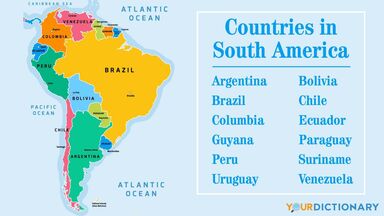
country in central & NE South America, on the Atlantic: declared independence from Portugal (1822): 3,286,485 sq mi (8,511,963 sq km); pop. 146,155,000; cap. Brasília

Origin: Port, short for terra de brasil, land of brazilwood: see brazil

Related Forms:

See brazil in American Heritage Dictionary 4

A country of eastern South America. The largest country in the continent, it was ruled by Portugal from 1500 to 1822, when it became a separate empire ruled by Pedro I, son of King John VI of Portugal. A republic was established in 1889. Brasília has been the capital since 1960; São Paulo is the largest city. Population: 190,000,000.

Related Forms:

  • Bra·zilˈi·an adjective & n.
Word History: The name Brazil is derived from the Portuguese and Spanish word brasil, the name of an East Indian tree with reddish-brown wood from which a red dye was extracted. The Portuguese found a New World tree related to the Old World brasil tree when they explored what is now called Brazil, and as a result they named the New World country after the Old World tree. The word brasil is cognate with French brésil, Old French berzi and bresil, Old Italian verzino, and Medieval Latin brezellum, brasilium, bresillum, braxile. The many Latin forms suggest a non-Latin, non-Romance origin, as in an East Indian term.

(click for a larger image)

Brazil

Learn more about brazil

brazil

link/cite print suggestion box