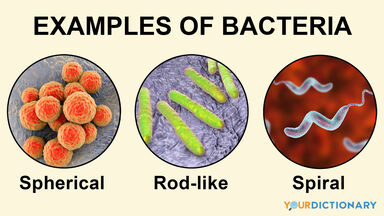
Staphylococcus aureus bacteria is one of the most dangerous infections that exist in the realm of bacterium. One of the reasons it’s as dangerous as it is considered is because of how long staph lives on surfaces, even without a living host. As a general matter, staph can live from a few weeks to months. The fact that staph bacteria is able to survive in environments that other bacteria wouldn’t typically be able to thrive in is one of the major reasons it’s considered one of the most dangerous bacterial infections that is known today.
When a staph infection sets in, it can result in symptoms that range in severity from minor rashes and itching to boils.
The most common form of staph infection that is suffered across the world is MRSA. This stands for Methycillin-Resistant Staphylococcus Aureus.
This staph infection is most commonly transferred from patient to patient in medical environments, especially in those environments where frequent surgeries are performed.
As a matter of fact, MRSA infections have become so common that they are now considered to be the most common form of staph infection in existence. Their spread has occurred mainly because of the vast possibilities for transfer of the infection from person to person.
The most productive measure in the fight against the spread of staph infections begins with the hands. Wash hands as frequently as possible, especially in environments where there is a concentrated amount of people.
When a hand has any amount of staph bacteria on it, any surface that the hand touches is then contaminated with the bacteria as well.
Another effective method for fighting staph infections is to keep any wounds that are inflicted both clean and covered, until they are healed. Being open makes the wounds susceptible to infection.
See staphylococcus in Webster's New World College Dictionary
noun pl. staphylococci
Origin: ModL: see staphylo- & -coccus
Related Forms:
See staphylococcus in American Heritage Dictionary 4
noun pl. staph·y·lo·coc·ci (-kŏkˈsī, -kŏkˈī)
Related Forms:
Learn more about staphylococcus
Related Articles