New Jersey

(jʉr)

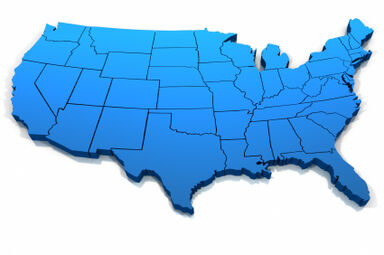
state of the E U.S., on the Atlantic: one of the 13 original states; 7,417 sq mi (19,211 sq km); pop. 8,414,000; cap. Trenton: abbrev. NJ or N.J.

Origin: after Jersey (the Channel Island)

See New Jersey in American Heritage Dictionary 4

Abbr. NJ or N.J.

A state of the east-central United States on the Atlantic Ocean. It was admitted as one of the original Thirteen Colonies in 1787. The region was settled by Dutch and Swedish colonists in the 1620s and 1630s, was ceded to the English as part of New Netherland in 1664, and became a royal province in 1702. The colony was strategically important in the American Revolution and was the site of a number of major battles, including the engagements at Trenton, Princeton, and Monmouth. Trenton is the capital and Newark the largest city. Population: 8,690,000.

Related Forms:

  • New Jerˈsey·iteˌ noun
Word History: New Jersey's relation to the Roman Empire may not be immediately apparent, but its name links it to the period when the Romans controlled Britain. New Jersey is named after the Channel Island Jersey, just off the coast of Normandy. One of Jersey's prominent native sons was Sir George Carteret (c. 1610-1680). In 1664, he was granted the territory between the Hudson and Delaware rivers, which was then called New Jersey in his honor. Jersey comes from Latin Caesarea, Caesaria (īnsula), “Caesar's (island).”

Learn more about New Jersey

New Jersey

link/cite print suggestion box