Mosquito Definition
mə-skētō
mosquitoes, mosquitos
noun
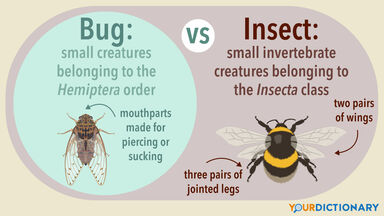
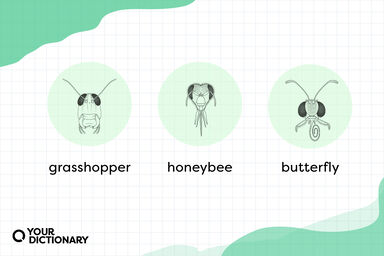
Any of a large family (Culicidae) of two-winged dipteran insects, the females of which have skin-piercing mouthparts used to extract blood from animals, including humans: some varieties are carriers of certain diseases, as malaria and yellow fever.
Webster's New World
verb
To fly close to the ground, seemingly without a course.
Wiktionary
pronoun
A settlement in Newfoundland and Labrador.
Wiktionary
Other Word Forms of Mosquito
Noun
Singular:
mosquitoPlural:
mosquitoes, mosquitosOrigin of Mosquito
-
From Spanish mosquito (“gnat"), diminutive of Spanish mosca (“fly"), from Latin musca (“fly"), from Proto-Indo-European *mÅ«s- (“fly, stinging fly, gnat"). Cognate with Flemish meuzie (“mosquito"), Swedish dialectal mausa (“mosquito"), Lithuanian musÄ— (“a fly"). See also midge.
From Wiktionary
Spanish Portuguese from diminutive of mosca fly from Latin musca
From American Heritage Dictionary of the English Language, 5th Edition


Find Similar Words
Find similar words to mosquito using the buttons below.