Mascot Definition
măskŏt, -kət
mascots
noun
Any person, animal, or thing supposed to bring good luck.
Webster's New World
Any person, animal, or thing adopted by a group, esp. by a sports team, as a symbol or for good luck.
The team's mascot is a bear.
Webster's New World
A distinctive, stylized figure, variously of an animal, character, etc., used to represent a sports team or other organization; often, specif., such a figure portrayed by a costumed person.
Webster's New World
Other Word Forms of Mascot
Noun
Singular:
mascotPlural:
mascotsOrigin of Mascot
Related Articles
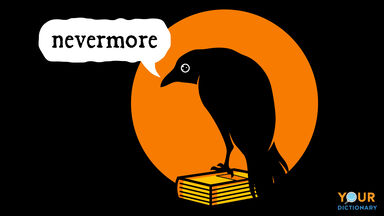





Mascot Is Also Mentioned In
Find Similar Words
Find similar words to mascot using the buttons below.